
Crawl Space Moisture: Hidden Dangers and Health Risks for Lowcountry Homeowners
What every Charleston-area homeowner needs to know about crawl space moisture — before it becomes a costly crisis
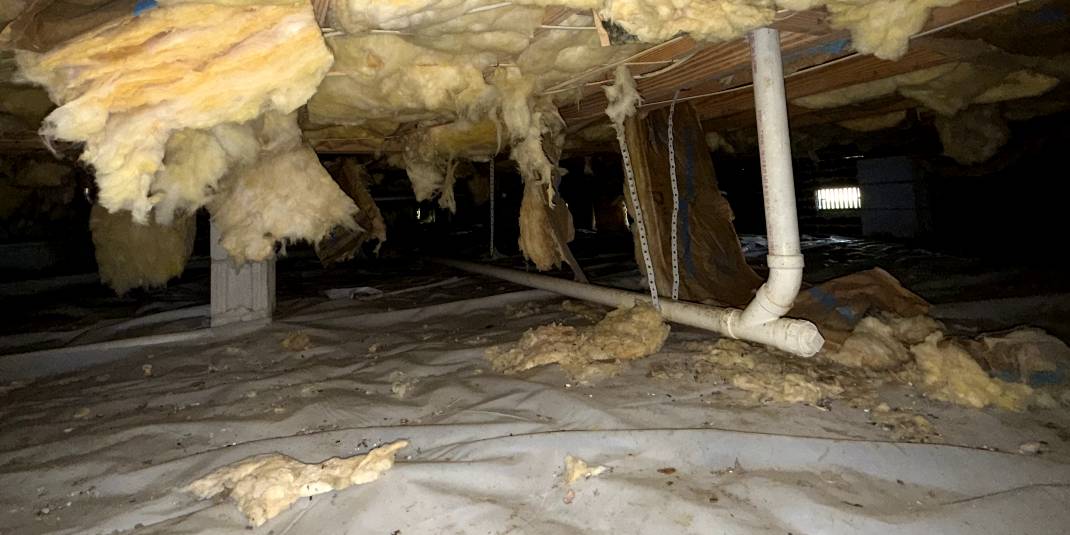
Emerald Home Solutions — Professional Crawl Space Moisture Control & Encapsulation, Charleston, SC
1 How Crawl Space Moisture Sneaks Into Your Lowcountry Home
Crawl space moisture doesn’t announce itself. It infiltrates silently — often for months or years before a homeowner notices any visible sign of a problem. In Charleston and the surrounding Lowcountry, there are several pathways that make homes here especially vulnerable.
Groundwater Intrusion
The Lowcountry sits at near sea level, with a high water table that rises significantly after heavy rain events — and Charleston receives roughly 50 inches of rainfall per year, concentrated heavily in the summer storm season. That elevated water table creates hydrostatic pressure, pushing crawl space moisture through foundation walls, floor slabs, and any minor crack in your home’s structure. Neighborhoods like West Ashley, Avondale, and Johns Island — where low-lying soil and older construction are common — are particularly susceptible to this type of crawl space moisture intrusion.
Humidity and Condensation
Even without a single drop of rain, the Lowcountry’s ambient humidity is enough to cause serious crawl space moisture problems. When warm, moisture-laden outdoor air enters an unencapsulated crawl space and contacts cooler surfaces — foundation walls, floor joists, HVAC ductwork — it condenses. This condensation accumulates over time, saturating insulation, soaking wood framing, and creating the exact conditions mold and rot need to thrive.
Charleston-Specific Warning: Homes in tidal flood zones — including Daniel Island, James Island, Kiawah Island, and Seabrook Island — face a compounded risk. Tidal flooding events can directly introduce saltwater into crawl spaces, which accelerates corrosion of metal components and creates persistent crawl space moisture conditions long after the water recedes.
Common Sources of Crawl Space Moisture in SC Homes
| Moisture Source | How It Enters | Risk Level in Lowcountry |
|---|---|---|
| Groundwater / high water table | Seeps through foundation cracks and floor | Very High |
| Tidal and storm flooding | Direct water intrusion through vents and gaps | Very High (coastal areas) |
| Ambient humidity / condensation | Warm air enters, condenses on cool surfaces | High (year-round) |
| Plumbing leaks | Leaking pipes drip into crawl space below | Moderate |
| Poor exterior grading | Rainwater pools near foundation and seeps in | Moderate–High |
| Inadequate or missing vapor barrier | Ground moisture evaporates upward into space | High |
2 Health Dangers of Crawl Space Moisture
Crawl space moisture doesn’t stay in the crawl space. Because air naturally moves upward through a home — a phenomenon known as the “stack effect” — whatever is in your crawl space eventually makes its way into the air your family breathes. This makes crawl space moisture a direct public health issue, not just a structural one.
Mold Growth
Mold is the most immediate health consequence of crawl space moisture. The EPA confirms that mold can begin colonizing within just 24 to 48 hours of moisture exposure — and a damp crawl space provides a continuous, unlimited supply of the moisture mold needs to thrive. Once established in a crawl space, mold releases spores that travel upward into living areas, triggering respiratory problems, allergic reactions, chronic headaches, and — in vulnerable individuals — severe asthma attacks.
If you suspect crawl space moisture has led to mold growth in your home, a professional mold inspection is the essential first step. Surface cleaning alone will not resolve mold that has originated from a moisture source beneath your floors.
Pest Infestations
Crawl space moisture creates an ideal habitat for termites and rodents — two of the most destructive pests for Lowcountry homes. Termites are drawn to damp wood and can silently destroy floor joists, beams, and subfloor sheathing over years before the damage becomes apparent. The National Pest Management Association estimates that one in five homes will encounter a termite infestation — and South Carolina’s warm, humid climate makes that risk significantly higher than the national average. Rodents, similarly attracted by moisture and the shelter it implies, can introduce bacteria, allergens, and additional structural damage.
- Respiratory issues — coughing, wheezing, and shortness of breath worsening at home
- Allergic reactions — runny nose, itchy eyes, and skin irritation with no clear seasonal cause
- Chronic fatigue and headaches — particularly when symptoms improve after leaving the home
- Worsening asthma — mold spores from crawl space moisture are a documented asthma trigger
- Musty odors throughout the home — a reliable indicator of active mold or mildew in the crawl space
- Pest activity — visible termite damage, rodent droppings, or wood dust near baseboards
3 Structural Damage from Crawl Space Moisture
Beyond health, crawl space moisture poses a slow but devastating threat to your home’s structural integrity. Wood rot is the primary mechanism — and in the Lowcountry’s warm, humid climate, it progresses faster than in most other regions of the country.
When floor joists, support beams, and subfloor sheathing are continuously exposed to crawl space moisture, the wood fibers break down, losing their load-bearing strength. What begins as slight softening progresses to visible sagging floors, then to joists that can no longer safely support the weight above them. The National Association of Home Builders estimates that approximately 15% of all foundation failures in the U.S. stem from moisture-related damage — a statistic that underscores just how serious unaddressed crawl space moisture can become.
Warning Signs of Structural Damage: Sagging or bouncy floors, doors and windows that suddenly stick or won’t close properly, visible cracks in drywall near floor level, and a noticeable “give” when walking across certain areas of your floor are all indicators that crawl space moisture may have already caused structural deterioration. Do not delay — contact Emerald Home Solutions for an assessment immediately.
Energy Costs
Crawl space moisture also compromises your home’s insulation, significantly reducing its effectiveness. Wet or damp insulation loses the vast majority of its R-value — meaning your HVAC system has to work considerably harder to maintain a comfortable temperature, driving up energy bills month after month. For many Charleston-area homeowners, crawl space encapsulation pays for itself within a few years through reduced utility costs alone.
4 How to Identify Crawl Space Moisture in Your Home
Because crawl spaces are out of sight, crawl space moisture problems often go undetected until significant damage has already occurred. Knowing what to look and smell for — both inside your home and in the crawl space itself — is the first line of defense.
Signs You Can Detect From Inside Your Home
- A persistent musty odor, especially in ground-floor rooms, closets, or near floor vents
- Floors that feel soft, spongy, or noticeably “bouncy” when walking across them
- Visible mold or mildew on baseboards, lower walls, or flooring near exterior walls
- Doors and windows that have begun sticking or no longer align properly
- Higher-than-normal energy bills, particularly for heating and cooling
- Condensation on windows or pipes — indicating elevated indoor humidity from crawl space moisture
- Family members experiencing unexplained respiratory symptoms or allergy-like reactions
Signs Inside the Crawl Space Itself
- Standing water or watermarks on foundation walls indicating past flooding
- Visible mold or mildew on floor joists, insulation, or the vapor barrier (if one is present)
- Wet, sagging, or displaced insulation between floor joists
- Rust on metal fasteners, pipes, or HVAC components — a sign of prolonged crawl space moisture exposure
- Wood that is soft, discolored, or crumbling when touched — indicating wood rot
- Evidence of termite activity — mud tubes along foundation walls or damaged wood
Professional Detection Tools: Certified crawl space professionals use calibrated moisture meters to measure moisture content in wood and soil, thermal imaging cameras to detect hidden cold spots indicating water infiltration, and hygrometers to assess relative humidity levels throughout the crawl space. These tools identify crawl space moisture problems that are invisible to the naked eye.
5 DIY Fixes vs. Professional Crawl Space Moisture Solutions
For minor, surface-level crawl space moisture issues, there are steps homeowners can take. However, in the Lowcountry’s climate, DIY measures alone are rarely sufficient for long-term protection — particularly for homes in flood-prone areas, homes with unencapsulated crawl spaces, or homes that are already showing signs of mold or structural damage.
DIY Steps for Minor Crawl Space Moisture Issues
- Fix plumbing leaks immediately — even a slow drip can generate significant crawl space moisture over time
- Improve exterior grading — ensure the ground slopes away from your foundation at a minimum 6-inch drop over 10 feet
- Clean gutters and extend downspouts — direct water at least 4–6 feet away from the foundation
- Replace wet or damaged insulation — soaked insulation promotes mold and provides no thermal benefit
- Install a basic plastic ground cover — a temporary measure to reduce ground moisture evaporation
When to Call a Professional
DIY measures address symptoms, not causes. For crawl space moisture problems driven by the Lowcountry’s high water table, frequent flooding, and persistent humidity — which is to say, the majority of cases in the Charleston area — professional intervention is necessary for a lasting solution. At Emerald Home Solutions, our crawl space encapsulation service provides a comprehensive, engineered approach to eliminating crawl space moisture permanently.
What Professional Crawl Space Encapsulation Includes: Heavy-duty polyethylene vapor barriers on ground and walls, sealed vents to prevent humid outdoor air from entering, interior drainage systems to manage water intrusion, high-capacity dehumidifiers calibrated to maintain 30–50% relative humidity, and structural repairs to any wood damaged by prior crawl space moisture exposure.
6 Crawl Space Sealing, Insulation & Venting: What Works in the Lowcountry
Vapor Barriers
A heavy-duty polyethylene vapor barrier — typically 20-mil thickness for Lowcountry conditions — installed across the ground and sealed at foundation walls is the foundation of any effective crawl space moisture control strategy. The barrier prevents ground moisture from evaporating upward into the crawl space, dramatically reducing humidity levels. Unlike lighter-duty plastic sheeting, professional-grade vapor barriers are resistant to puncture and degradation even in the damp, acidic soil conditions common throughout coastal South Carolina.
Insulation Options for SC Crawl Spaces
Traditional fiberglass batt insulation, while common in older Lowcountry homes, is highly susceptible to crawl space moisture damage — it absorbs water, loses its R-value, and becomes a prime location for mold growth. Modern approaches favor closed-cell spray foam insulation applied directly to foundation walls, which creates a continuous air and moisture barrier while also adding structural reinforcement. Rigid foam board is a cost-effective alternative that performs significantly better than fiberglass in humid conditions.
To Vent or to Seal? The Lowcountry Answer
Traditional building practice called for venting crawl spaces to allow air circulation. Modern building science — and the SC DHEC's indoor air quality guidance — strongly favors sealed, conditioned crawl spaces in humid climates like South Carolina’s. Venting a crawl space in Charleston simply brings in more warm, humid outdoor air, which condenses on cooler surfaces and worsens crawl space moisture problems. Sealing the crawl space and conditioning it with a dehumidifier is the scientifically supported solution for the Lowcountry.
7 Long-Term Crawl Space Moisture Maintenance
Even after professional encapsulation, ongoing maintenance is essential to keeping crawl space moisture under control — particularly in a climate as demanding as coastal South Carolina’s.
| Task | Frequency | Why It Matters |
|---|---|---|
| Visual inspection for leaks and standing water | Monthly | Catch new crawl space moisture intrusion early before damage occurs |
| Dehumidifier maintenance and filter cleaning | Quarterly | Ensures optimal function for humidity control |
| Vapor barrier inspection for rips or displacement | Every 6 months | Any gap allows ground moisture to enter the crawl space |
| Post-storm inspection after major rain or flooding | After every significant weather event | Lowcountry storms can introduce new crawl space moisture rapidly |
| Professional crawl space inspection | Annually | Identifies issues invisible to the untrained eye |
Post-Hurricane Checklist for Lowcountry Homeowners: After any named storm or significant flooding event, inspect your crawl space within 72 hours for standing water, displaced vapor barriers, and new mold growth. If water entered the crawl space, contact Emerald Home Solutions for water damage restoration immediately — crawl space moisture from storm events can lead to mold growth within 24–48 hours. See FEMA's guidance on post-disaster mold for additional steps.
Crawl Space Moisture Services Across the Lowcountry
Emerald Home Solutions provides professional crawl space encapsulation, moisture control, and mold remediation services throughout the greater Charleston region, including:
Frequently Asked Questions — Crawl Space Moisture in Charleston, SC
Common questions from Charleston-area homeowners about crawl space moisture, encapsulation, and protection.
The most common signs of crawl space moisture include a persistent musty odor inside your home, floors that feel soft or spongy, visible mold near baseboards or floor vents, unexplained increases in energy bills, and family members experiencing respiratory symptoms that improve when away from the home. If any of these are present, a professional crawl space inspection is the recommended next step. Many crawl space moisture problems are invisible without proper equipment — a professional inspection uses moisture meters and thermal imaging to identify issues before they cause serious damage.
Crawl space encapsulation in the Charleston area typically ranges from $3,000 to $8,000 depending on the size of the crawl space, the severity of existing crawl space moisture damage, whether a drainage system or dehumidifier is needed, and any structural repairs required. While this is a significant investment, encapsulation typically pays for itself through reduced energy bills, avoided structural repairs, and improved indoor air quality. Contact Emerald Home Solutions at 843-350-5035 for a site-specific estimate.
Yes — crawl space moisture is one of the most common home maintenance issues in the entire Lowcountry region. Charleston’s combination of high annual rainfall (approximately 50 inches per year), near-sea-level elevation, high water table, and subtropical summer humidity makes virtually every crawl space home in the area vulnerable. According to the National Weather Service, Charleston’s climate is among the most humidity-intensive in the continental United States, making proactive crawl space moisture management a necessity rather than an option for local homeowners.
For South Carolina’s humid climate, modern building science strongly recommends sealing — not venting — crawl spaces. Traditional vented crawl spaces allow warm, humid outdoor air to enter and condense on cooler surfaces inside the crawl space, which worsens crawl space moisture conditions. A sealed, conditioned crawl space with a proper vapor barrier and dehumidifier maintains consistent low-humidity conditions regardless of outdoor weather. The SC DHEC supports improved indoor air quality practices that align with sealed crawl space approaches for humid climates.
Yes — and this is one of the most important facts for Lowcountry homeowners to understand. Because of the “stack effect,” air naturally flows upward through a home, meaning air from your crawl space continuously rises into your living areas. Mold spores, musty odors, and humidity from crawl space moisture all travel this path into the rooms where your family spends time. If crawl space moisture has already led to mold growth, a professional mold inspection combined with crawl space remediation is required to fully resolve the problem.
A professionally installed crawl space encapsulation system — including a heavy-duty vapor barrier, sealed penetrations, drainage system, and dehumidifier — typically lasts 20 years or more with proper maintenance. The vapor barrier itself, when properly installed using commercial-grade polyethylene, is rated for decades of service. Annual professional inspections and quarterly dehumidifier maintenance are the key ongoing requirements to maintain full effectiveness against crawl space moisture over the long term.
South Carolina homeowner’s insurance policies generally cover crawl space moisture damage only when it results from a sudden, covered event — such as a burst pipe or storm flooding — and a claim is filed promptly. Crawl space moisture damage that developed gradually over time due to humidity, condensation, or lack of maintenance is typically considered a maintenance issue and excluded from coverage. A professional inspection report documenting the cause and timeline of damage is essential when filing any moisture-related insurance claim.
Act within 24–48 hours. First, ensure the area is safe to enter (no electrical hazards). Remove any standing water using a sump pump or wet-vac. Increase air circulation temporarily if conditions are safe. Then contact a professional immediately — crawl space moisture from flood events can produce active mold growth within 24–48 hours, and the longer you wait, the more extensive the damage becomes. Emerald Home Solutions provides emergency water damage restoration services throughout the Lowcountry — call us at 843-350-5035.
Is Crawl Space Moisture Threatening Your Home?
Don’t wait for structural damage or mold to make the problem visible. Emerald Home Solutions provides professional crawl space moisture inspections and encapsulation services throughout Charleston and the Lowcountry — with same-week scheduling available.
📞 Call 843-350-5035 Request a Free Estimate