
Why Your Allergies Get Worse Every Time the AC Kicks On in Charleston
What’s actually happening when your symptoms spike — and how to make it stop
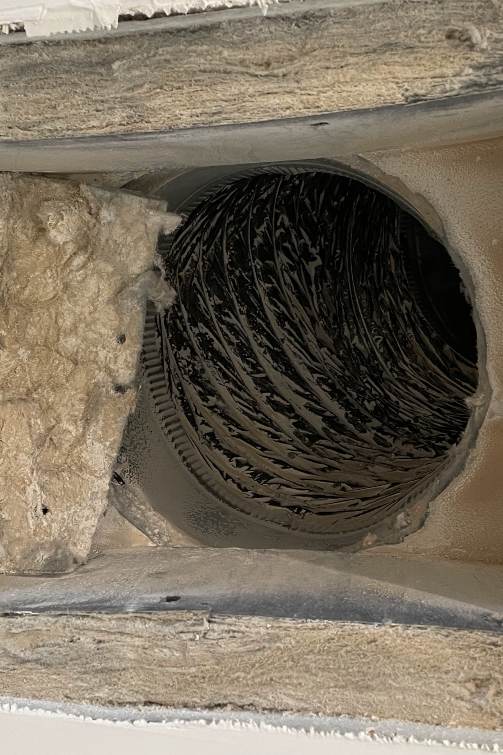
Allergies from air conditioner systems in Charleston are almost always caused by buildup inside the ductwork. Emerald Home Solutions, Charleston, SC.
1 Why Allergies Get Worse Every Time the AC Kicks On
When the air conditioner sits idle in your home, fine particles in the ductwork begin to settle against the walls of the duct system. However, once the air conditioner begins to run and the blower in the unit kicks on, those particles that settled while the system was off get violently released into the rooms of your home. This occurs almost instantly once the air conditioner begins to run again.
During periods of time while your HVAC system is off, particles of different types begin to fall out of the air and settle on various objects in your home. The same phenomenon occurs within the ducts. The longer your HVAC system sits idle, the more time there is for particles to settle along the walls of the HVAC system’s ductwork. After a full night’s sleep, your system may have accumulated a layer of these fine particles along the underside of the system’s ductwork.
When the air conditioner begins to run, it will pick up these settled particles from the duct walls. Much like when you blow on a dusty bookshelf to remove the fallen dust, the air conditioner performs the same function but within the supply vents of your home. This is true of the initial 30-to-60-second cycle of your air conditioner. Thereafter, as the air conditioning system continues to run and the airflow becomes steady within the duct system, the majority of the settled particles have already been dispersed into the rooms of your home. Therefore, your allergies may ease somewhat after the initial start-up of the system.
2 What’s Actually Inside Your Ductwork
Most individuals would prefer not to know what is actually accumulated within their HVAC system over the years. However, the composition of that material can explain why so many people end up with allergies from air conditioner cycles that happen day after day.
Pollen
During the pollen season in Charleston (February to May), pollen settles onto everything in the city — cars, dogs, porches, furniture, and more. Some of this pollen is drawn into the HVAC system through the return vents. While it may be caught by your filter, much of it passes through into the supply ductwork. Even after the pollen season outdoors, that settled pollen still makes its way into the homes of Charleston residents through the supply duct systems.
Pet Dander and Dust Mite Waste
Along with pollen, pet dander is the most common allergen that flows through HVAC systems. The particles that comprise pet dander are light and electrostatically attracted to the metal components of the HVAC system. Even after the passing of a pet in the home, the air conditioner is likely still releasing the accumulated dander. Similarly, the waste of dust mites is also light enough to settle on each interior component of the HVAC system over time.
Mold Spores
Another reason that the air conditioner commonly worsens allergies within the homes of Charleston residents is due to the humidity that plagues the region. Air conditioning units condense moisture from the indoor air. The result within the HVAC system of Charleston homes is condensation that can lead to mold growth. Once established within the HVAC system, the mold spores are released into the indoor air with each cycle of the air conditioner. This is the most common cause of the worsening of the symptoms of those with allergies with each start-up of the air conditioner.
Health Note: For those with asthma, as well as those with more serious respiratory issues, the presence within the HVAC system of mold, pet dander, and pollen can lead to indoor air quality issues that the body cannot resolve with medication alone.
3 Why Allergies from Air Conditioner Use Hit Charleston Homes Harder
A few factors specific to the Charleston Lowcountry can explain why allergies from air conditioner use are so much worse in this region than in other locations in the nation such as, for instance, Denver or Tucson. Individuals with allergies experience worsening of their symptoms with each cycle of the air conditioner more often here than almost anywhere else.
One factor is the length of the air conditioner’s active season. The air conditioner is active for nine months of the year in the region. This alone presents more cycles of the HVAC system than exist in locations that are significantly drier.
Another factor is relative humidity. Indoor humidity in the majority of Charleston homes sits between 50 and 60 percent throughout the year. This humidity causes the particles in the air to become stickier — which allows them to adhere to the HVAC system walls. Additionally, humidity results in the condensation of water within the HVAC system components that are cooled by the air conditioning units. That moisture can result in the growth of mold within the HVAC system.
Finally, some of the homes in Charleston have original ductwork that was installed when the homes were built. Many of these original duct systems have never been cleaned. In some homes, the HVAC systems have gone through no cleaning in over 25 or 30 years. The amount of buildup within these systems is impressive, and it is the result of the HVAC systems continuing to blow air through the duct system without any interventions to remove the accumulated particles that cause the worsening of air quality issues.
| Charleston Factor | Why It Worsens Allergies When AC Kicks On | Where It Shows Up Most |
|---|---|---|
| 9-month AC season | More chances for particles to build up within HVAC system | All homes with HVAC systems |
| Indoor humidity 50–60% | Particles stick to HVAC system; mold can grow inside system | All homes, but especially older homes |
| Pine pollen season | Heavy seasonal allergen load that is recirculated year after year in HVAC system | All regions of the Lowcountry |
| Older ductwork | Years of accumulation within original ductwork without cleaning it up | Historic homes and original construction areas |
| Storm and flood events | Continued introduction of moisture to HVAC system that continues to allow mold to grow within the system | All homes in the Lowcountry |
4 The First-Burst Effect Is Diagnostic
Pay close attention to the symptoms that you experience with each cycle of your air conditioner. The timing of allergies from air conditioner cycles is the single clearest indicator of what is going on inside the ductwork. The timing of these symptoms may tell you a lot about the cause of your allergies. For example, if your allergy symptoms appear with the click of your air conditioner’s on switch, and if they become somewhat lessened with the continued running of the air conditioner, it is likely that your issue is the HVAC system’s ductwork.
Allergens that enter your home from the outside are not likely to have such a specific timing to your symptoms. Allergens from the outdoors (like pollen or outdoor dust) are continuously entering your home. The same can be said for allergy triggers from fabrics in your home (like carpet or bedding). Such symptoms are not likely to be limited to a specific cycle of your air conditioner.
The first burst of symptoms from the HVAC system indicate the presence of a dirty duct system. The material that settled within the duct system while the HVAC system was off gets released into your home in the first 30 to 60 seconds of the system’s startup. After this initial period, the HVAC system’s airflow stabilizes and the majority of settled material in the system has been dispersed. This is why your allergy symptoms may ease somewhat after the initial start up of your HVAC system.
5 What Genuinely Helps Stop the Problem
There are only a few items on the list of things that will actually help to stop allergies from air conditioner cycles in your home. The interventions below are the ones that produce real improvement.
- Get your ductwork professionally cleaned. This involves hiring a NADCA-certified company to use specialized negative-pressure equipment to remove the material that has accumulated in the entire HVAC system. For most homes in Charleston that suffer from allergies that get worse each time the AC kicks on, this is the most impactful change to the HVAC system.
- Upgrade your HVAC system’s filtration to MERV 11 or higher. MERV 11 filtration uses pleated filters that catch particles like pollen, pet dander, and mold spores. Ensure that your HVAC system can handle the airflow restriction that higher-grade filters create before you change your filters.
- Replace your HVAC system filters according to a real schedule. Fiberglass filters should be replaced every 30 days. Pleated, high-MERV filters should be changed every 60 to 90 days. Using calendar reminders instead of memory will help you maintain this schedule.
- Use a humidity control system to reduce indoor humidity to 55% or lower. Use your air conditioner’s built-in dehumidifier capability, utilize a portable dehumidifier in the months of spring and fall, and use a whole-home dehumidifier if needed throughout the year.
- Seal any leaky duct returns. Older homes in Charleston commonly have return ducts that go through the attic into the crawl space. If these leak, the air conditioner will draw in the attic debris and release it into your home.
- Get your evaporator coils and the compartment where the air conditioner’s blower fan is located cleaned. These components are located in the HVAC system’s indoor unit but upstream from the air filter. This area collects biological debris that gets expelled into the indoor air when the air conditioner starts up.
- Encapsulate your crawl space if you have one. If your home’s crawl space is left open to the indoors, it will often introduce humidity and particles into the HVAC system that the air conditioner circulates into your home. Encapsulating the crawl space will significantly reduce this problem.
For information on our air duct cleaning service and company, visit our air duct cleaning in Charleston service page.
6 Common Mistakes That Make It Worse
A handful of well-meaning responses to allergies from air conditioner cycles fail to provide any real solutions at all. These are the most common responses we see from homeowners caught in the same dilemma.
Buying an Expensive Air Purifier Without Addressing the Source of the Problem
An air purifier will help to clear some of the allergens already floating in the room. It will do nothing to address the contamination already inside of the ducting. Furthermore, every time the air conditioning comes on, those particles will be distributed to every room in the house.
Closing the Vents in Rooms You Don’t Use
This sounds great for reducing how often someone with allergies is exposed to the air conditioning system. However, this actually makes the airflow within the ducting work against the HVAC system. Most of the air will go into the vents that are open throughout the rest of the house. The HVAC system will compensate for the closed vents by pulling more air through the leaky vents in the attic.
Replacing Cheap Air Filters More Often Than Recommended
If you’re using a cheap air filter with a low MERV rating, replacing it every month is not going to do much good. It’s the MERV rating that determines how effective an air filter is. Increasing the frequency of the replacement of a cheap filter will not help as much as using a higher MERV air filter.
Only Cleaning the Vents
Most people will clean the vents and think that the ducting system is now clean. This is not true. The interior of the ducting system is untouched. After a few air cycles, the vents will again look the same as they did prior to the “vent cleaning.”
7 When to Call a Professional
There are several situations that will warrant the call of a professional to inspect the HVAC and ducting system in your home.
- If you experience allergies or respiratory symptoms the moment that the air conditioning turns on.
- If the vents emit a musty smell when the HVAC is running.
- If the supply vents start to gather dust after you’ve wiped them down.
- If someone in the household has asthma and their symptoms have worsened over the past few years.
- If it has been five years since your ducting system was last inspected.
- If there has been any construction, water or rodent damage in the attic above your HVAC system.
- If you live in a recently purchased home with no documentation of its HVAC maintenance history.
- If you own pets and suffer from allergies.
A professional inspection will include looking into your ducting system with a camera. They will show you what they see during the inspection. The inspection should not include trying to sell you on HVAC services you do not need.
Air Duct Cleaning Across the Lowcountry
Emerald Home Solutions provides professional air duct cleaning in Charleston and indoor air quality services throughout the surrounding Lowcountry communities:
Frequently Asked Questions — Air Conditioner Allergies in Charleston
Commonly asked questions from Charleston area residents about allergies from air conditioner use, ductwork contamination, and what actually solves the problem.
The air conditioning system ducting typically contains many particles that have accumulated over time. These get stirred up when the air conditioner turns on and are distributed throughout every room in the house. Allergies from air conditioner cycles like this almost always point to a ducting system that requires professional attention.
There is a chance that your air conditioner is the cause of your allergy symptoms. The components inside of the air conditioner may contain mold and other biological materials that worsen indoor air quality issues. These components can be professionally serviced to provide improved indoor air quality. If a ducting system only gets cleaned and the air conditioner cabinet is left alone, the air quality issues will return to the same level of severity.
The HEPA air purifier will help to alleviate your allergies in the room in which the air purifier is placed. However, it will not solve the underlying cause of the problem. The air purifier will not do anything to help with the issue of particles in the ducting system going into the house with every air cycle from the air conditioning system. A professional ducting system cleaning is required first, then air purification can be used as an add-on solution in specific areas in which symptoms manifest.
Most homes in the Charleston area will start to notice a difference in less than a week. The amount of symptoms experienced when the AC turns on will disappear immediately. Allergy symptoms should improve within a few days. Efficiency of the air conditioning system will show improvements over the next few weeks.
Around Charleston, standard residential homes will be quoted anywhere from $300 to $700 for professional air ducting system cleaning. The price is based on the number of HVAC units in your home and the amount of mold inside of the ducting system. An on-site inspection will be performed to give you an accurate quote.
The standard recommendation for most homes is every three to five years. In the Lowcountry area, the ducting system will degrade at a faster rate due to the humidity in the area. Furthermore, there are more instances of pollen in the area and the HVAC system is allowed to run for longer periods during the year. Homes that have pets, allergies, or experience water damage will deteriorate at a faster rate and will benefit from a ducting system cleaning every two to three years. A visual inspection of the ducting system each year will help to determine how often your system in your home should be professionally cleaned.
If your allergies continue to remain an issue, the source of the problem is likely outside of the HVAC system. Other potential causes include mold inside the walls or crawl spaces, insulation inside of the attic, pollen from outside the home, carpeting or bedding allergies, or your own sensitivities to specific substances. These issues will be discussed with you by the HVAC professional.
Tired of Sneezing Every Time the Thermostat Clicks?
If you have allergies from air conditioner use in your Charleston home, the ducting system is almost certainly the source. Emerald Home Solutions provides professional air duct and HVAC system inspections and cleaning throughout Charleston and the Lowcountry. Get in touch with us if you want to schedule air ducting system cleaning for your home.
📞 Call 843-350-5035 Request a Free Estimate