
Mold Spores in Air Conditioning: The Lowcountry’s Quiet Health Problem
Why Charleston homes develop AC mold faster than most — and what it’s doing to your indoor air
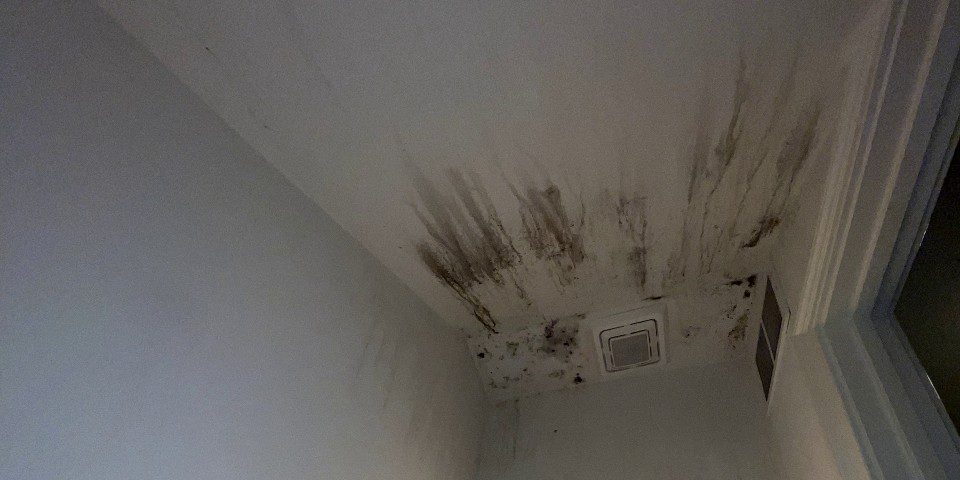
Mold in air conditioner systems is one of the most overlooked indoor air quality issues in Charleston homes. Emerald Home Solutions, Charleston, SC.
1 Where Does Mold In Air Conditioner Systems Actually Grow?
Mold requires three things to grow: water, an organic material for food, and the proper temperature to perform its tasks. The climate of Charleston provides all of these elements for mold to flourish within the AC systems in the region’s homes. Let’s look at where mold grows within these systems.
On the Evaporator Coil
The majority of the mold within AC systems in Charleston grows on the evaporator coil. This is due to the amount of water that condenses on this component while the air conditioner is running. In addition to this moisture, there is a build up of the organic material that settles in the air conditioning system in the homes. The perfect environment is provided for mold to grow on these components.
In the Drain Pan and Drain Line
Another location where mold typically grows within air conditioning systems are the drain pans and lines beneath the evaporator coil. These pans are responsible for draining the condensate water that forms within the evaporator coil. If these lines begin to get clogged with precipitates, mold can grow in these standing waters.
Inside the Ductwork
Another area in which mold grows within air conditioning systems is the ductwork itself. The ducts within the air conditioning system that sit in the hotter attics in the region can develop condensation on their outside sections due to the temperature differences. Additionally, the older ducts in these homes can also develop condensation on their inside sections — specifically the sections made of fiberboard and filled with insulation that has degraded over time. Mold can grow on these condensation surfaces.
Why You Never See Mold In Air Conditioning Systems
The systems described above are all hidden from view within the air conditioning systems. The evaporator coils are inside the AC unit. The drain pans are under the air conditioning unit and require looking underneath the unit. All of the ductwork is hidden within the attics of the homes or within the homes themselves. Therefore, mold within these systems is typically seen in one of the exhaust vents of the air conditioning system — a sign that the air conditioning system has been growing mold for some time.
2 Why The Lowcountry Continues To Have More Mold In Air Conditioning Systems Than Most Other Regions
Several factors contribute to the presence of mold within air conditioning systems in the Lowcountry.
Year-Round High Humidity
Humidity in the region remains above 70% throughout the year. During the summertime, the humidity percentage climbs even higher. Additionally, indoor humidity percentages within HVAC systems are even higher due to the condensation that forms in those systems.
An AC Season That Does Not End
The area experiences its cooling season between March and November — nine months of the year. In contrast, cities like Boston have their cooling season between approximately October and May — eight months. Additionally, these eight months in Boston allow HVAC systems to dry out throughout the year. The nine months in Charleston mean that there is no dry-out period for HVAC systems to avoid mold growth.
Older Homes With Original Duct Systems
Many homes in the region date to before the installation of central air conditioning systems in the homes — especially in areas like the Lowcountry Peninsula, West Ashley, James Island, Mount Pleasant, and Daniel Island. Therefore, these homes have HVAC systems that were retrofitted into the older homes. The duct systems within these homes may be made of fiberboard products and have insulation within the ducts that has degraded over time due to the high humidity in the region.
Storm and Flood History
The region endures several storms and floods each year. This moisture gets into the HVAC systems in the attic and crawl spaces. The visible moisture evaporates in a few days. However, the mold that grows during this time does not dry out and continues to pose a health threat to those who live in the area.
| Lowcountry Factor | Effect on AC Mold | Where It Shows Up |
|---|---|---|
| High humidity percentage | Persistent moisture in HVAC components | All homes with central air conditioning systems |
| Cooling season lasts for 9 months | Grows mold in all components of air conditioning systems | All homes with central AC |
| Older homes and retrofitted duct systems | More favorable conditions for mold to colonize on various components | Mainly in homes built prior to the 1970s |
| Storm and flood seasons | Introduces moisture to HVAC components | Mainly attics and crawl spaces of homes |
| Coastal proximity to the ocean | Salt-laden humid air corrodes the components of air conditioning systems | Homes on the islands and along the waterfront |
3 The Health Effects Of Mold In Air Conditioning Systems
The effects of mold on the health of the individuals within the home typically take some time to develop. Most individuals do not notice the health effects until the mold has been continuously in the air conditioning systems for several months. At this point, the body begins to experience the symptoms that are caused by exposure to mold. Some of the most common health effects of mold in air conditioning systems include:
Allergies
The most common health effect of mold in air conditioning systems is allergic reactions by the individuals in the home. These allergies can include sneezing, running noses, itchy or watery eyes, and sinus congestion.
Asthma
Another health effect of mold in the air conditioning systems of the homes is that it can lead to the development of asthma attacks by those individuals who have the condition. Additionally, those who suffer from asthma are made worse by the presence of mold in their air conditioning systems.
Respiratory Symptoms
The symptoms of mold that are less easily categorized include allergies that do not appear to have a specific cause, such as a seasonal pollen season. Additionally, those who live in the homes with mold in their air conditioning systems may begin to get respiratory infections more often, and possibly develop chronic sinus or lung conditions.
Weakened Immune System Members
In homes in which any member has a weakened immune system, whether due to medical treatments like chemotherapy, blood transfusions, or those who are infants or the elderly, the risks of mold developing in the air conditioning systems can have severe health effects. Such health issues are not theoretical — they are present in those vulnerable individuals and should not be ignored.
Health Note: If any member of the household has respiratory symptoms that cannot be explained, that improve when the individual is away from home for a few days, or that worsen during the AC season, there may be mold in their air conditioning system.
4 How To Tell If You Have Mold In Your Air Conditioning System
There are several signs that, if present in the home with an air conditioning system, may be an indicator of mold within that system.
Your nose. The best way to know if there is mold in your air conditioning system is to smell the air that comes from the vents in your home. A musty smell when the air conditioning is running is an indication of mold in the air conditioning system. Additionally, the fact that the smell dissipates after the system runs for a few minutes indicates that there is mold within the system.
Pattern of respiratory symptoms. If an individual within the house has respiratory symptoms that worsen at home yet improve when the individual is away from home for a few days, it is an indicator of mold within the air conditioning system.
Anything that is visible. If there are any visible symptoms in the air conditioning system, such as staining of the vents in the home or the areas around the air conditioning unit, it is a sign that the air conditioning system is growing mold. The fact that the visible symptoms are present indicates that there is mold in areas outside of the vents, as well.
Testing for mold in air conditioning systems. Another way to determine if there is mold within the air conditioning system is to run air tests in the home and outside of the home. The number of mold spores within the air conditioning system at home will be much higher than the outside air. Additionally, a visual inspection of the air conditioning system can confirm the presence of mold within the system.
5 What Professional Remediation Does For Air Conditioning Systems
Many individuals wonder if they can simply perform the steps described within the articles above to remediate the presence of mold in their air conditioning systems. However, there are a few reasons why individuals should not attempt to perform these steps themselves. First, the areas in which mold grows are inside of sealed metal cabinets. Second, the duct systems containing the condensation can be inside of the attics of the homes or the homes themselves. Third, if not performed properly, any attempt to clean the areas where mold grows can release the mold into the remainder of the home. Rather, when a professional company performs mold remediation for air conditioning systems, they will:
Contain The Area
Plastic barriers will be placed around the air conditioning system that are designed to prevent mold spores from escaping into the remainder of the home. Additionally, the area will be treated to create a negative air pressure within the air conditioning unit that will prevent the mold spores from leaving the system.
Clean The System
The company will treat the evaporator coil and blower compartment of the air conditioning system with products that are specifically made for HVAC systems. Additionally, they will clean the drain pan and the condensate line of the air conditioning system.
Clean The Duct Systems
Additionally, the duct systems will be treated with a vacuum that creates negative air pressure within the system, along with the use of cleaning agents that are effective against mold. Any sections of the duct systems that have heavily accumulated mold will be replaced with new duct systems.
Correct The Moisture That Caused The Mold
One of the reasons that mold grew in the air conditioning systems during the HVAC run is due to a moisture-related issue. Correcting that issue will help prevent the air conditioning systems from developing mold in the future.
Air Sampling Before And After
Air samples will be taken before and after the HVAC system is remediated for mold. These samples will confirm the number of mold spores that are present in the air conditioning system. Additionally, the company will create a maintenance plan for the air conditioning systems so that they will not develop mold again in the near future.
For more information on the specific steps that we take during air conditioning mold remediation, visit our mold remediation in Charleston service page.
6 The DIY Attempts That People Use For Mold In Air Conditioning Systems
For several years, the same methods have been used in an attempt to remediate the growth of mold within air conditioning systems in the homes of the Lowcountry.
Bleach Down the Vents
This one’s for the folks who’ve called us after pouring half a gallon of Clorox down their supply registers and waiting two weeks for the mold to return. Several reasons why it doesn’t work. The bleach just can’t physically reach the colony that lives within the air conditioner’s cabinet. It can’t penetrate the porous surfaces where the mold spores have rooted. It may have disturbed any settled spores near the supply vent and sent them into your bedroom. Additionally, bleach is corrosive to the components within your air conditioner. The manufacturers of your air conditioner specifically tell you not to use chlorine-based products on your air conditioner system’s components. So, you’ve breathed chlorine into your lungs, destroyed your air conditioner, and the mold is even more widespread than before. Bleach is a failed remedy.
The Dehumidifier Theory
“I just bought a dehumidifier from Costco — that should handle it, right?” No. Dehumidifiers are useful to reduce the humidity within the room and prevent mold within your air conditioner systems. However, the mold within the air conditioner systems doesn’t experience humidity from the rest of your home. The air conditioner maintains its system’s humidity regardless of the rest of your home’s humidity. Using a dehumidifier in your home will not dry your air conditioner’s system out, just as placing a dehumidifier in your pool won’t dry it out when it’s in operation.
Replace the AC, Skip the Ducts
The homeowner who called us up at $4,200 for the mold in their air conditioner system but decided to replace their air conditioner system outright for $7,500. Well, it almost works. If the mold had remained within the air conditioner’s air handler, it would have been cleared out with the installation of the new air conditioner. However, by the time the homeowner noticed the symptoms associated with mold growth, the duct system had become colonized with mold as well. So, the homeowner finally got rid of the source of the mold, but their duct system was once again a source of mold. This has happened to a variety of homeowners throughout the Lowcountry. It’s better to do the mold remediation prior to air conditioner system replacement.
Just Ignore It
Finally, the idea that if left alone, the mold will go away on its own. It will not go away on its own. The conditions that allow mold to grow within the air conditioner system haven’t changed. They are sealed within the supply registers and the duct system that distributes the air to the rest of the house. The longer that the homeowner waits to clean up the mold, the more the mold will continue to grow, the further it will spread throughout the duct system, and the more expensive it will be to clean it up. It’s best to fix the issue early as opposed to waiting until the duct system needs to be replaced or there has been an opening in the house walls (often in older homes with asbestos systems).
7 When To Call A Professional
These issues with air conditioner systems can be monitored in certain instances. However, there are other instances when a homeowner should be on the phone with a professional this week instead of next month.
- Mold smell coming from the supply registers (first 10–30 seconds of air conditioner system startup)
- Dark staining or mold growth around the supply registers
- Family members have respiratory symptoms (allergies) that improve when the family is away from the home, but return upon their return
- Any individual with asthma symptoms or who has a weakened immune system
- Recent flooding, water damage or moisture buildup in HVAC areas of the home
- Age of the home is over 20 years and there is no documented history of HVAC system and duct system cleanings
- Water in the drain pan or mold growth on the air conditioner’s evaporator coil
- A laboratory test of the indoor air quality shows elevated counts of mold spores
These assessments will be diagnostic and not composed of a pitch-deck presentation to the homeowner to sell the need for air conditioner mold remediation. If the homeowner has system issues, they should not be told that there is no issue. The professional will tell the homeowner the truth in either scenario.
Mold Remediation Across the Lowcountry
Emerald Home Solutions provides professional mold remediation in Charleston and HVAC mold inspections throughout the surrounding Lowcountry communities:
Frequently Asked Questions — Mold In Air Conditioner Systems
Homeowners in the Lowcountry have asked us these questions regarding mold in air conditioner systems.
It’s more common than people believe. A home as pristine as one in Daniel Island can be found with mold growing on its air conditioner’s evaporator coil. In contrast, an older home in West Ashley did not have mold within the system. Mold grows in the supply registers of air conditioner systems for a variety of reasons and a variety of severity levels. Some homes do not have any issues with mold. Others have so many symptoms associated with mold exposure that the entire family seems to have the symptoms of allergies. It’s the only way to find out for sure if your home has mold in the air conditioner system — have someone open the supply register.
Mostly. The smell of the air conditioner system when it starts up and the symptoms of allergies in the family that improve when the family is away from the home will indicate the presence of mold in the air conditioner system. Additionally, if there is mold visible in the supply registers the likelihood of mold in the air conditioner system is 90%. Air quality test will confirm it at a 99% rate. You don’t have to know for sure. You know.
For the least invasive situations where mold is only found within the air conditioner’s air handler and drain pan (and not in the duct system): between $500 and $1,500 for most homes in Charleston. More extensive situations that also involve duct system replacement or removal of fiberboard and asbestos-containing material in an older home can cost more than $5,000. We do not provide over-the-phone estimates because we cannot see the air conditioner system from where we sit. An hour in your home to assess the system will provide you with an actual estimate of the cost of the needed work.
In the majority of cases, yes. In some cases the improvement in symptoms is dramatic. Out in Mt. Pleasant, the air handler of a homeowner’s system revealed mold and both children had asthma. Six weeks later the mother called to report that the children no longer use their inhalers for asthma. Of course this is anecdotal evidence. The improvement of respiratory symptoms after air conditioner mold remediation is most pronounced in individuals with asthma, seasonal allergies or those who exhibit respiratory sensitivity. If the symptoms have a different cause than mold in the air conditioner system, there will be no improvement in those symptoms after we complete the mold remediation.
Most jobs take between one to three days to complete. More extensive jobs that require replacement of the duct system will take one week or more. During the day we will sample the air quality in the home before and after the mold remediation to ensure the reduction of mold is significant. This documentation will be required by the homeowner’s insurance provider.
Maintain indoor humidity levels to 55% or less with your air conditioner system and supplemental dehumidifier. Upgrade to a filter with MERV 11 or higher and change it according to the schedule recommended by the manufacturer — most do not. Have your air conditioner’s evaporator coil and drain pan inspected once each year. If there has been a moisture event in the system (burst pipe, leaky dishwasher, hurricane) even if the water has dried, schedule an inspection. Given the climate in the Lowcountry, schedule a professional HVAC system cleaning every two to three years. These steps will eliminate most of the conditions that allow mold to grow in the air conditioner system.
If the mold grew as the result of an accident or sudden event (burst pipe, HVAC failure, hurricane) it will be covered under a homeowner’s insurance policy in South Carolina. Mold that grows gradually as a result of high humidity and lack of maintenance will not be covered. Home insurance policies also typically have a cap on the amount of money that will be spent on mold remediation. Whether it is covered or not, we will document everything thoroughly for the homeowner. Insurance policies live and die on documentation.
Don’t Ignore The Smell. It Means Something.
The smell coming from the supply registers of the air conditioner means something. So does the fact that the family members in the home have respiratory symptoms. Over the last several years in the Charleston area, we have found that the issue in the majority of air conditioner systems — air handler specifically — is mold. We will provide inspections and full mold remediation services and will tell the homeowner if the issues are actually present.
📞 Call 843-350-5035 Request a Free Inspection