
How Long Does Dust Actually Stay in Your HVAC System?
The honest answer is longer than most homeowners expect — here’s what the research and our field experience show
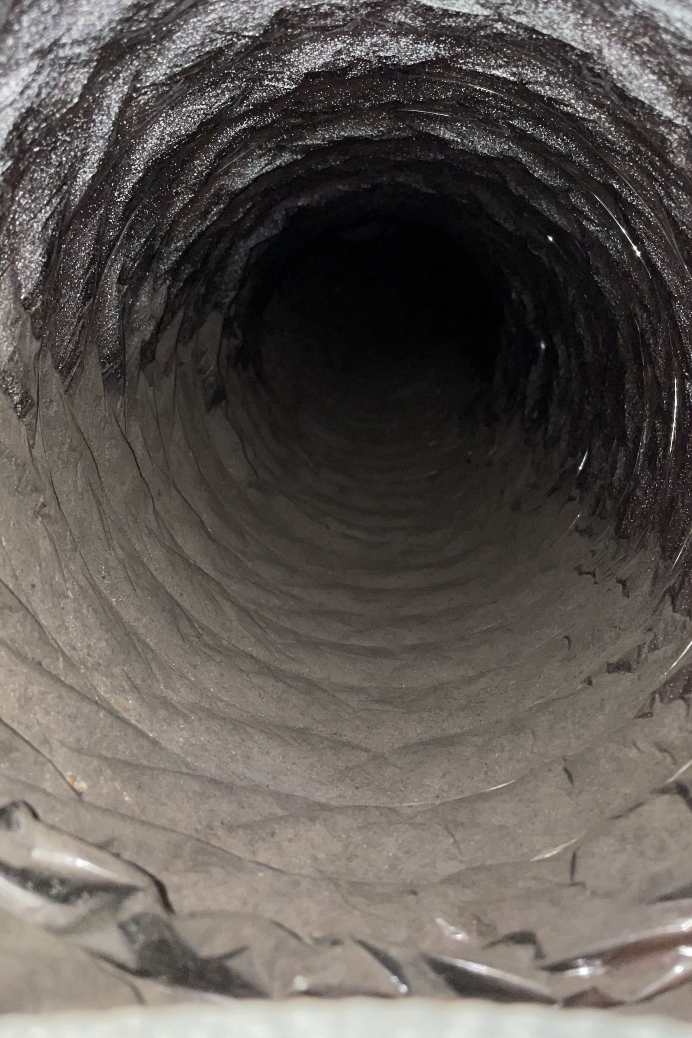
How long does dust stay in HVAC ductwork? Longer than most homeowners in Charleston realize. Emerald Home Solutions, Charleston, SC.
1 What Actually Happens to the Dust That Enters Your HVAC
Before diving into the answer of how long does dust stay in HVAC systems, it is first important to understand the various ways that the fine particles of household dust enter the HVAC system.
Where the Dust Comes From in the First Place
The most common type of household dust is made up of the dead skin cells that humans shed each day, the fibers from clothing or bedding that are tracked into the house, the pollen that adheres to people’s shoes as they enter the home from outside, the dander from pets that share the home, the waste from the microscopic dust mites that live in bedsheets, and the foreign particles of soil that are brought into the home from outside the residence.
The average household produces around 40 lbs of this type of dust each year. Much of this household dust does enter the HVAC system as a result of the conditioned air circulating throughout the residence.
What Your Filter Actually Catches
Standard fiberglass filters that are commonly purchased for homes do not catch all of the fine particles of household dust that enter the HVAC system. These filters are specifically designed to catch large amounts of lint and hair that commonly become entangled in the airflow.
However, according to an assortment of studies, around 60% of the fine household dust particles actually bypass these standard filters. This percentage jumps up to 75% if the particle size is particularly fine. Higher-rated MERV filters do catch a higher percentage of the particles, but no filter will catch 100% of the household dust that enters the HVAC system.
What Happens to the Dust That Gets Through
Some of the household dust that passes through the HVAC system’s filters and enters the ducts gets caught on the HVAC cooling system’s blower and evaporator components. Some of it falls onto the interior walls of the supply ducts, especially those that are horizontal in structure. The rest may make it into the supply vents and be blown into the various rooms of the home. This cycle repeats over and over again each time that the HVAC system is in operation.
2 How Long Does Fine Dust Stay Within the HVAC System
The length of time that fine household dust remains within the HVAC system is actually dependent upon several factors. However, there are some general ideas of how long the dust can remain when the HVAC system is left to itself.
First 30 Days
Some of the fine household dust that enters the HVAC system each month will fall out of the system’s ducts and supply vents after only 30 days. This is especially true of the heavier particles of dust. The lighter particles will continue to cycle through the system, though, and may land on the furnishings in the home or within the supply vents. However, by the 30-day mark, the amount of dust that is entering and exiting the supply ducts reaches an equilibrium within the system.
1 to 2 Years
By the one-year mark, there will be some amount of fine household dust that has settled along the walls of the supply ducts of the HVAC system. After this initial settling period, the HVAC system will begin to redistribute some of that accumulated fine dust with each cycle of operation of the system. Additionally, new fine dust continues to enter the system at the same rate that it was entering in the first year of operation of the HVAC equipment.
5 Years and Beyond
After five years of operation without a professional HVAC duct cleaning, the fine household dust that accumulates along the walls of the supply ducts will have time to bond to those duct walls. In Charleston’s particularly humid climate, this bonding process will occur at a rapid rate. There is no way around it — the dust will remain within the system. This fact is why Emerald Home Solutions performs thorough HVAC duct system cleaning in homes as old as 40 years in West Ashley, James Island, and Mount Pleasant.
In Definite Amounts
Within the system, some of the household dust will never leave the system. That which settles along the horizontal supply ducts, onto the cooling system’s components, or within the blower compartment will accumulate over time without being circulated out of the HVAC system. In homes that have never had a duct cleaning performed in the course of 30 years of occupancy, for instance, there is likely a significant buildup of household dust that has accumulated along the supply ducts over time.
What This Means for Indoor Air Quality
If your home has not had a professional duct cleaning within the past five years, the fine household dust within the HVAC system is likely not fresh dust that has entered the system in the past few weeks. Instead, it has been cycling through your home for years. This is one of the reasons that a professional duct cleaning is necessary. It will allow for the removal of this accumulated dust from your HVAC system.
3 Why Charleston Homes Tend to Have More Dust Within Their HVAC Systems
There are several reasons that homes in Charleston have a tendency to hold onto their household dust for longer periods than homes in other parts of the country.
Humidity
Charleston’s humidity levels remain high throughout the year, remaining above 70% humidity for much of the year. This level of humidity causes the particles of household dust to become slightly sticky. This allows those particles to adhere to the walls of the HVAC system’s supply ducts. The same particles will not adhere nearly as well within a dry climate.
Run Time
The HVAC systems in Charleston run for nine months of the year. This provides more opportunities for the system to both pick up fine household dust, as well as redistribute that same dust throughout the system.
House Age
Many of the homes throughout Charleston are older. Homes in areas like Charleston, Mount Pleasant, North Charleston, the peninsula, James Island, and Daniel Island were constructed decades ago. The original duct systems that were created within these homes are likely to have accumulated the household dust over time.
Storm Events
Additionally, the area is prone to hurricanes and tropical weather systems that feature high amounts of both household and outdoor dust. These storms can lead to those fine particles entering the HVAC system through damaged portions of the duct that were not seen by homeowners.
| Home Condition | How Long Dust Stays in HVAC System | Likely Buildup at 5 Years |
|---|---|---|
| New construction, MERV 11+ filter | Cycles slowly, settled in 1–2 years | Light |
| Average home, standard filter | Cyclical, persists over time | Moderate |
| Older home, pets, smokers | Indefinite without HVAC duct cleaning | Heavy |
| Recently renovated home | Buildup of construction dust heavy layer | Significant |
| Coastal home with high humidity | Fine household dust particles bond to ducts | Possible biological growth within system |
4 What Determines How Quickly Fine Household Dust Accumulates in the HVAC System
Each home can have different amounts of fine household dust within their HVAC systems, even if the homes appear to be of the same type and construction.
Filter Quality
The type of filter that is installed in the HVAC system will have an impact upon how quickly the system accumulates household dust. For instance, a MERV 4 filter that is changed once a year will allow for significantly less filtration than a MERV 11 filter that is changed every 90 days.
Run Time
The length of time that the HVAC system is continuously in operation each year can increase the amount of fine household dust that enters the system. Homes that experience hot summer months in Charleston will experience longer periods of operation of their HVAC systems than homeowners in locations with more moderate climates.
Household Composition
The composition of the people that live in the home can significantly impact the amount of household dust that enters and accumulates within the HVAC system. Homes with pets will tend to accumulate more household dust due to the amount of pet dander that is released into the system. Homes with smokers will also accumulate more household dust due to the particulates that adhere to the HVAC system’s interior components.
Home Age
Finally, the age of the home can impact the rate at which the HVAC system accumulates household dust. Homes that have original duct systems that include fiberboard components will tend to accumulate more household dust than newer homes that feature rigid metal duct systems. Additionally, homes with damaged sections of duct systems will have more accumulation of household fine particles within those portions.
5 What Actually Performs the Removal of Fine Household Dust
The answer to the question: how long does dust stay in HVAC systems? — until someone removes it. There are a few different methods of actually removing the fine household dust from HVAC systems.
Negative-Pressure Professional Cleaning of Duct System
A professional HVAC duct cleaning company will use high-powered vacuums to clean both supply and return ducts of the HVAC system. Additionally, these professionals will use specialized tools to physically agitate the walls of the HVAC system’s supply ducts to loosen the fine dust that accumulates along the supply system walls and components. This is the only way to effectively remove the years of fine household dust that has accumulated within the home’s duct systems.
Evaporator Coil and Blower Component Cleaning
In addition to the supply and return ducts of the HVAC system, the components of the HVAC system itself may also contain the buildup of fine household dust. A technician will clean the components of both the evaporator coil and the blower compartment, in addition to the supply ducts. This step of the HVAC duct cleaning process is included in the cost of the service.
Insulation and Fiberboard Component Replacement
If the HVAC system features any fiberboard components or insulation that has contained the fine particles of household dust for years, these components will need to be replaced. The fiberboard insulation will have become charged with static and will adhere to any fine particles that enter the HVAC system.
Duct Leak Sealing
Many of the older HVAC system ducts in Charleston features numerous leaks where outside air enters the supply ducts of the HVAC systems. These leaks allow for outside air — and outside household dust — to enter the system. During a duct cleaning visit, the technician will seal these known leaks in the supply and return duct system.
Filter Upgrade
Finally, after the HVAC system’s ducts have been thoroughly cleaned, the homeowner may wish to upgrade to a higher-rated MERV filter. Using a pleated filter with a MERV 11 or 13 rating can significantly reduce the amount of fine household dust that enters the HVAC system each year. This will allow the HVAC system to remain clean and healthy for the homeowners and their living spaces.
Documentation of Before and After Duct System
One more step that a professional duct system company will take is take pictures of the condition of the ducts before and after the HVAC system is cleaned. This is a way of documenting the work that was done to improve the air quality within the home.
You can read more about our cleaning process and equipment on our air duct cleaning in Charleston service page.
6 Common Misconceptions Regarding Household Dust and HVAC Systems
There are a few different beliefs regarding household dust and HVAC systems that are common among the general public. However, each of these beliefs is mostly wrong.
It will eventually cycle itself out of the HVAC system
The belief is that if household dust enters an HVAC system, that it will eventually find its way out of the HVAC system on its own. However, some of that dust will be distributed into the living spaces of the homeowners. Some of it will stick to the walls of the supply ducts. None of it will ever leave the home.
A better filter will solve the problem
By replacing the filter of the HVAC system with one with a higher MERV rating, the HVAC system will catch more of the fine particles of household dust. However, it will do nothing for the household dust that has already entered the duct system. The process of professional HVAC duct cleaning comes first.
I would notice if there were a problem with the system
The belief of many homeowners is that if there were a problem with the supply or return duct system, the homeowner would eventually notice it within the home. While there are some signs of an HVAC system that contains household dust, such as an increase in allergies, the symptoms develop slowly. They would not be noticeable within any single day.
The HVAC technician would have told me
While HVAC technicians are very well-versed in the operation of HVAC systems, they typically only perform services on the HVAC systems themselves. They will not perform a duct inspection within the home’s supply system. A professional HVAC duct system company would perform this task.
7 When to Schedule HVAC System Duct Cleaning
Now that you know of the answer to the question of how long does dust stay in HVAC systems, you can better understand when to schedule an HVAC system duct cleaning service.
- Less than 3 years since last HVAC system cleaning. If your HVAC system has not been professionally cleaned in less than 3 years, it is likely that there is no immediate need to perform the service. However, the quality of the filter should be inspected.
- 3 to 5 years since last HVAC system cleaning. If your HVAC system has not been professionally cleaned in the last 3 to 5 years, it is time to schedule the service. This is the recommended time by the NADCA for residential HVAC systems.
- 5 to 10 years since last HVAC system cleaning. If your HVAC system has been in operation for between 5 and 10 years without having been professionally cleaned, there is a substantial amount of fine household dust that has likely accumulated within the system. Additionally, some of the symptoms of household dust within an HVAC system may have started to manifest. A duct cleaning at this stage will do right by the HVAC system and the people who live in the home.
- 10+ years since last HVAC system or unknown history. If your HVAC system has not been professionally cleaned in over 10 years, or if you are not sure of its history, a professional duct system cleaning should become a priority for your HVAC system.
- After any major renovation to the home. Regardless of when the renovation took place, any construction within the home creates an abundance of fine household dust. The HVAC system should be cleaned after any renovation.
- After moving into a new home. When moving into a new house, it is likely that the previous occupants did not have their HVAC system professionally cleaned before they sold the home. Scheduling a duct system cleaning within the first 60 days of moving into a new home is a good idea.
- After experiencing a major storm within the home. If your home has experienced a major storm that caused damage, it is possible that some of the household and outdoor dust entered the HVAC system through those damaged sections of the duct. If you experienced such an event, it is another reason to professional HVAC duct system cleaning.
- If an individual within the home has developed worsening allergy or respiratory symptoms. While there may not be an obvious link between the worsening symptoms of an individual within the home and the presence of household dust within the HVAC system, it is still worth checking the system. Such symptoms are among the reasons that individuals begin to suspect a problem with their HVAC system.
Air Duct Cleaning Across the Lowcountry
Emerald Home Solutions provides honest air duct cleaning in Charleston and HVAC indoor air quality services throughout the surrounding Lowcountry communities:
Frequently Asked Questions — Dust and Your HVAC System
Commonly asked questions from Charleston area homeowners regarding the issue of dust within their HVAC systems and how we address it.
The answer to this question is that the accumulation of dust within the HVAC system begins to accumulate with the homeowners with the system with day one. However, the majority of homes in the Charleston area begin to see an issue with the amount of dust that begins to accumulate within the system after approximately three to five years. Homes with pets, smokers, or those that suffer from allergies will clog more quickly than those with a high-quality HVAC system filter and who spend the majority of their time in the house.
The answer to this is no. While the system may lose some of the accumulated dust within the return air duct, the blower fan will often pick it up again and redistribute the dust throughout the HVAC system. This process will continue inductively for the life of the system.
Changing the filters will reduce the amount of new dust that enters the HVAC system. However, it will have no impact on the amount of dust that has already accumulated within the system. The HVAC filter for residential systems is located at the entry point of the return air. Any system beyond that point is on its own.
The average cost for duct cleaning in residential homes in the Charleston area is between $300 and $700. The higher end of that price range is for those with larger homes, more than one HVAC system, or who have noticed mold growth within the system. We will perform an in-person assessment of the home and system, so you can receive the exact cost to clean your system.
There are a few things you can do. First, ensure that your HVAC system has a filter rated MERV 11 or higher and replace it every 90 days. This is true for pleated filters. Secondly, reduce the amount of house dust by vacuuming the area regularly. Ensure that you keep the windows closed on high pollen or heavy dust days. Finally, reduce the amount of pet hair in your home. While these efforts will extend the life of your HVAC system, they will not eliminate the need for professional HVAC system cleaning.
The answer to this question is yes. The household dust that has accumulated within the HVAC system over the course of years is not just dust. It is a combination of dead skin cells, pet dander, dust mite waste, mold spores, pollen residue, and other microscopic particles. As this household dust ages within the humid Lowcountry environment, it can begin to support the growth of microbial organisms within the HVAC system. Individuals within the home who suffer from asthma, allergies, or respiratory sensitivities will often notice an improvement in their symptoms once the accumulated dust is removed from the HVAC system.
The standard HVAC duct cleaning service for a Charleston-area home will take between three to five hours to complete. Larger homes, those with multiple HVAC systems, or systems with severe contamination will require additional time. The duct cleaning process is non-invasive. The family within the home will be able to remain in the residence during the service. The only noise that will be present during the cleaning is the equipment in operation.
Don’t Wait for the Dust to Settle. It Won’t.
If your HVAC system has not been professionally cleaned in the past several years, the household dust within the system is not going to leave on its own. Emerald Home Solutions provides NADCA-certified inspections and HVAC duct cleaning services throughout Charleston and the Lowcountry. We will perform an honest assessment of your HVAC system, with same-week scheduling available for the service.
📞 Call 843-350-5035 Request a Free Inspection