
After a Renovation: Why Construction Dust Lives in Your HVAC for Years
Why the fine dust from your remodel keeps cycling through the house — and what actually gets it out
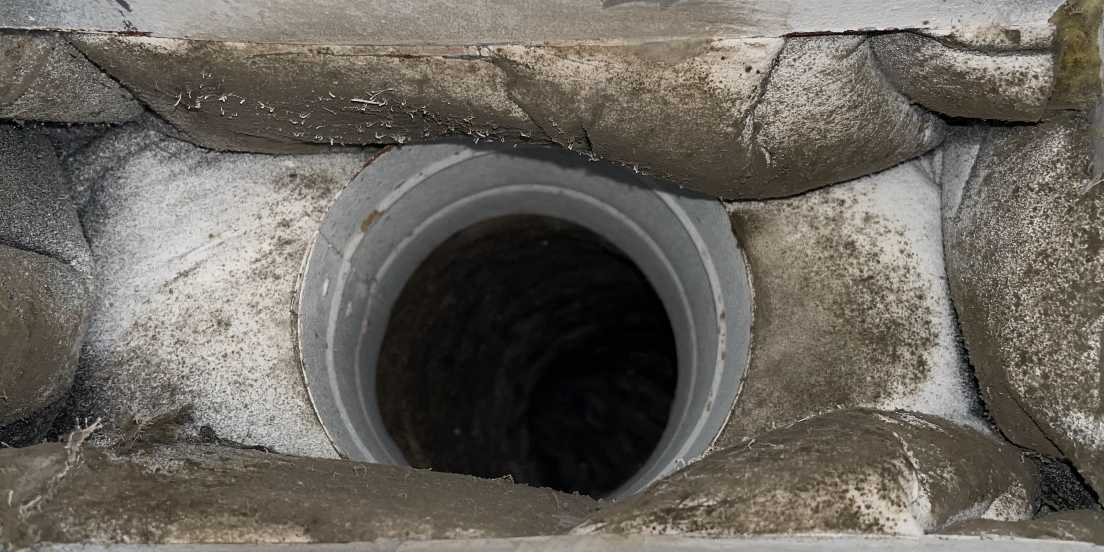
Construction dust in HVAC ductwork remains in the system for years after a renovation if not professionally removed. Emerald Home Solutions, Charleston, SC.
If you are among the Charleston homeowners who are experiencing the circulation of construction dust throughout the home, the good news is that it will eventually settle on its own. The bad news is that it will take years — and during this time, it will continue to impact the quality of the air that flows through your home’s HVAC system. Emerald Home Solutions understands that this issue is common among homeowners who have completed major remodeling projects throughout the Lowcountry and provides a solution that many other HVAC companies in Charleston will not offer.
1 Why Construction Dust in HVAC Systems Is Almost Inevitable
No matter how good the contractor is, there will always be some fine particulate that gets into your HVAC system. Whether it’s because of how often the HVAC system is running, how small the particles have to pass through plastic sheeting to reach the work zone, or how ineffective standard HVAC air filters can be at catching particles the size of drywall sawdust, there is no way around it — construction and remodeling project dust gets into HVAC systems and remains there.
System Keeps Running During Construction
Most remodeling projects continue to happen while the homeowners are still living in their properties. This means that the HVAC system continues to run during the project. Whenever the HVAC system’s blower is on, it pulls air from throughout the home — wherever the construction is happening — and distributes that air to the remainder of the property.
Plastic Sheeting Doesn’t Prevent Fine Particulate
While contractors will use plastic sheeting and doors to contain the work zone, this does nothing to prevent fine particulate from entering the HVAC system. These particles will find their way through the plastic sheeting and enter the HVAC system.
Standard Filters Can’t Prevent Fine Particulate
The standard air filter that is installed in most homes is only effective at capturing large amounts of dust and lint. Any particles the size of fine drywall sawdust will pass right through the standard air filter. Studies have shown that 75% of drywall particles are small enough to pass through a standard air filter. Once the particles enter the HVAC system, they will settle on the walls of the system’s ductwork.
Remodeling Crew Doesn’t Clean HVAC System
Finally, while a lot of effort will go into ensuring that the work site is spotless after the construction is complete, HVAC system ducts are usually not part of that task. There will be no effort to clean the HVAC system of the fine construction particles that entered the system during the renovation.
2 What Kinds of Construction Dust Are in There?
The type of construction dust in HVAC systems after a remodeling project will depend upon the type of work that was performed in the home. In Charleston, for example, most remodeling projects involve a combination of the following types of particles.
Drywall and Joint Compound Dust
Drywall is among the most common building material used in renovation and remodeling projects. Whether the drywall was installed, removed, or sanded, this will introduce a significant amount of drywall and joint compound dust into the HVAC system.
Sawdust and Wood Particles
Wood particles are introduced into the HVAC system during any project that involved installing flooring, wood cabinets, or wooden trim.
Concrete, Tile, and Silica Dust
Projects that use tile or cement will introduce silica into the HVAC system. Silica is a health hazard — it can cause respiratory problems.
Paint, Sealant, and Adhesive Residues
While the volatile organic compounds (VOCs) that are released from paint and other remediating chemicals will typically dissipate in the first few weeks after a remodeling project, the particles of this type of chemical will remain within the HVAC system.
Older Home with Lead Paint or Asbestos
If your Charleston home was built before 1980, it’s possible that any renovation that disturbed the walls of the property has introduced lead paint and asbestos into the HVAC system. These chemicals are particularly dangerous because they pose health risks even when they are inhaled in minuscule amounts.
3 Why Charleston Renovations Hit HVAC Systems Especially Hard
There are a few reasons why HVAC systems in Charleston homes are particularly impacted by remodeling projects.
Humid Air
Due to the humidity that is common in the Lowcountry, the fine construction dust particles will adhere to the ductwork of the HVAC systems. This means that the construction site can create an extensive amount of particulate — but the HVAC system will simply re-circulate these same particles throughout the home.
Long HVAC System Runtime
Year-round, HVAC systems in Charleston run for nine months of the year. This means that the HVAC system will redistribute the construction dust from the home’s remodeling project thousands of times a year.
High Rate of Renovations in Specific Areas of Charleston
The major towns in South Carolina’s coastal Lowcountry — the peninsula, Mount Pleasant, Daniel Island, James Island, and West Ashley — contain an abundance of older homes. These homes are continually remodeled to bring them up to date — many of them with original HVAC system ductwork that has accumulated years of construction and dust — plus another massive load from the latest remodeling project.
| Remodel Type | Type of Construction Dust in HVAC Systems | Recommended Action After |
|---|---|---|
| Kitchen remodel | Heavy — drywall, sawdust, tile | Full professional duct cleaning |
| Bathroom renovation | Moderate — tile, drywall, grout | Professional cleaning if 2+ bathrooms or full gut |
| Whole-home flooring | Heavy — sawdust, adhesive residues | Full professional duct cleaning |
| Single-room paint/repair | Light to moderate | Filter replacement plus cleaning if symptoms appear |
| Addition or major framing | Very heavy | Full cleaning plus system inspection |
| Pre-1980 home with wall work | Heavy plus potential lead/asbestos | Professional assessment before any cleaning |
4 Why It Doesn’t Just Settle Down on Its Own
It comes as a relief to many Charleston homeowners that the construction dust will eventually settle in the HVAC system — but it does not happen quickly. There are several reasons for this, but the first is simply that the HVAC system will continue to circulate the particles throughout the home. This will result in the discovery of construction dust on your furniture and appliances.
Additionally, after an initial period of time, the remaining particles will begin to settle in various areas of the home. However, there will never be a complete “clearance” of the HVAC system and its ductwork — especially if the house features one of the original HVAC system ductwork installations in the Lowcountry area. According to studies, it is not uncommon for construction dust to remain in HVAC systems for five years or more.
Finally, much of the construction dust will settle on areas in the HVAC system that are exposed to high humidity levels — particularly the evaporator coil and the area around the air handler. In areas with a climate like Charleston’s, where ductwork is exposed to high levels of humidity, the construction site will lead to the growth of biological materials within the HVAC system over time.
5 What Actually Removes Construction Dust in HVAC Systems
There is essentially only one method for removing construction and remodeling project dust from HVAC system ductwork in a home.
Full Negative-Pressure Professional Cleaning
Using a NADCA-certified contractor and equipment to remove construction dust by using negative-pressure equipment to pull it out of the ductwork. Additionally, contractors will use compressed air to remove the loosened dust from the walls of the HVAC system’s ductwork.
Cleaning of the Evaporator Coil and HVAC Blower Compartment
These components of the HVAC system are often neglected by homeowners yet still end up accumulating the same amount of construction site dust that accumulates in the ductwork. These components should be included in the professional HVAC cleaning.
Replacement of the Air Filter
After the HVAC system is cleaned, the existing filter will contain all the construction site debris that entered the system; replacing the air filter will provide the best long-term outcome for the newly-cleaned HVAC system.
Additional Inspection of the HVAC System for Damage
Many HVAC system ductwork installations in the Charleston area are installed in areas with wooden or cement floors or basements; during a renovation, these ducts can get bumped and damaged. A professional HVAC duct system cleaning can also inspect the HVAC system for this damage.
Application of Sanitizing Agent
Particularly if the HVAC system was disturbed during the remodeling project in a wet area. This will prevent the construction site dust from encouraging the growth of biological materials in the HVAC system.
Documentation of the HVAC System Before and After the Cleaning
A reputable HVAC system company will document the work they perform in the system before and after the cleaning; this is something they should do without you having to ask them.
For more information on the process, equipment, and approach to removing construction site debris from HVAC system ductwork in Charleston homes, visit our air duct cleaning in Charleston service page.
6 Common Mistakes After a Renovation
A few responses to the “how did this happen” questions from well-meaning but misguided homeowners illustrate the mistakes that they can make after a renovation. These are the most common.
Assuming the Cleanup Crew Handled It
The crews that handle house renovations do a great job of cleaning up the areas where people worked. However, HVAC ducts are typically outside of their scope of work. Nobody ever told them to clean out the HVAC system during the renovation — so the construction dust is still in the ducts.
Just Replacing the Filter and Calling It Done
That will help with the air quality in the house going forward — but it won’t work to extract the construction dust that is already in the system. The filter is at the entry point of the return air. All the construction dust is already in the system past that entry point.
Running a HEPA Air Purifier in One Room
That will work to remove the particles from the air in that specific room — but it will do nothing for the amount of dust that remains in the HVAC duct system. The air purifier will help with the air quality in one spot — but not the source of the problem.
Waiting for It to “Settle Down”
This is a mistake because construction dust is not going to “settle down” — it is going to remain in the HVAC system for years, circulating through the areas that the family lives in.
7 When to Schedule the Duct Cleaning
Timing is everything when it comes to getting your HVAC ducts cleaned out after a renovation. Here are the scenarios after which you should schedule a duct cleaning.
- Right after the renovation is completed and the home is ready for occupants.
- Within 30 days of any project that includes drywall work.
- Within 30 days of any flooring installation.
- Within 30 days of any addition to the home.
- Within 30 days of any project in a home built before 1980.
- After noticing allergy symptoms in the home that began after the renovation.
- After the “new construction” smell in the home has persisted for longer than 60 days.
- Anytime that you can see the construction dust in the home after it has been cleaned up within a day or two.
If you wait any longer than 30 days, the construction dust will have had an opportunity to bond to the sides of the HVAC ducts and to settle into the corners of the supply air vents that the vacuums and blower motors can’t reach. It will make the duct cleaning job more difficult. Therefore, the sooner you can do it the better.
Post-Renovation Duct Cleaning Across the Lowcountry
Emerald Home Solutions provides post-renovation air duct cleaning in Charleston and the surrounding Lowcountry communities:
Frequently Asked Questions — Construction Dust in HVAC After a Renovation
Commonly asked questions about post-renovation duct cleaning from Charleston-area homeowners.
Without duct cleaning, HVAC system construction dust can be circulated in the homes for five years or longer. Every time the HVAC system kicks on, this dust is released into the living areas of the homes. Over time, some of the construction dust will be caught on the residential air filters. However, the amount of construction dust that circulates through the ducts will last for years.
While the contractor did most of the work during the renovation, they probably did not clean up the job site — especially the HVAC ductwork. Most contractors do not do HVAC jobs themselves. Therefore, the assumption that the contractor was supposed to do the duct cleaning is a mistaken assumption.
Higher-MERV air filters will help to control the amount of particles that enter the HVAC system. However, the construction dust is already in the system — in the supply air ducts, the cooling system, and the blower compartment. So installing a high-MERV filter won’t do anything to help you.
The cost of residential duct cleaning for a home built in the Charleston area will cost between $350 and $750. The price will be on the higher end of that scale for a home that includes an addition, has a lot of drywall work, or has had flooring work completed. All prices are subject to change based on an on-site assessment of the HVAC system and the amount of construction dust present in the ducts.
If construction dust has been in the HVAC system for years, it may be more difficult to clean than if the renovation was only a few years ago. The construction dust has had time to bond with the ducts and become stuck in the corners of the supply air vents. However, it is still possible to professionally clean the system.
Homes built prior to 1980 may contain lead-based paint or asbestos. If the renovations disturbed these materials, the paint or asbestos particles may have entered the HVAC system. In this case, professional inspection of the HVAC system is required. Depending on the outcome of the inspection, an abatement contractor may also be required. One place where calling for an inspection before the duct cleaning is appropriate.
Most homeowners will notice a difference in the air quality within the first week after the HVAC system is professionally cleaned. Specifically, the amount of fine construction dust on the living areas of the home will noticeably slow. Additionally, those who suffered from allergy symptoms after the renovation will notice an improvement in a few days. Lastly, the “new construction” smell in the home will dissipate in a few days.
Just Finished a Major Renovation? Don’t Skip This Step.
If you’ve found that the renovation has brought on construction-related issues in your home, it’s because the HVAC system ducts are still filled with construction dust. Call the expert HVAC professionals at Emerald Home Solutions to have your HVAC ducts professionally cleaned.
📞 Call 843-350-5035 Request a Free Estimate