
Warning Signs of a Dryer Fire Every Charleston Homeowner Should Know
The real-world indicators your dryer is at risk — and what to do before the next load
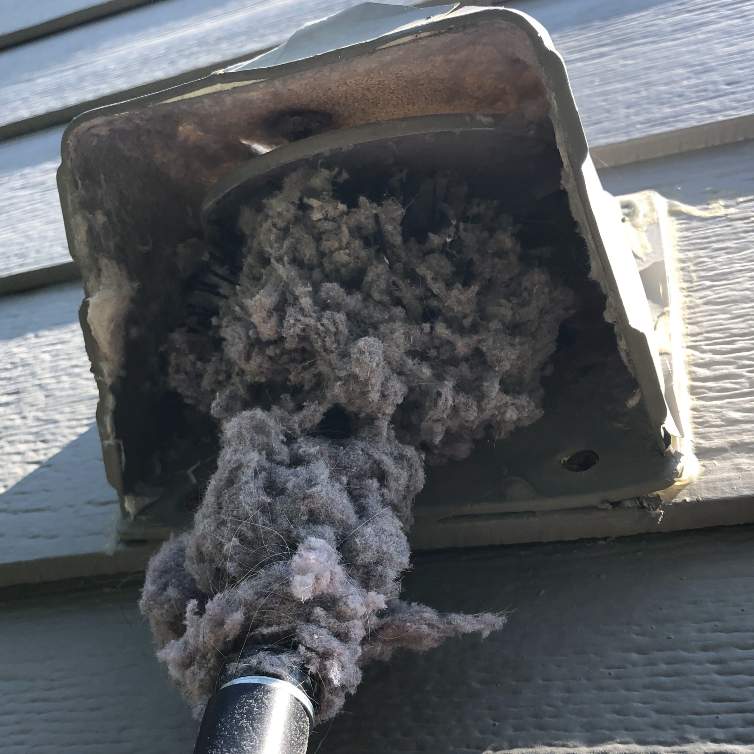
Warning signs of a dryer fire show up weeks before any real danger — knowing what to look for is the difference. Emerald Home Solutions, Charleston, SC.
1 Clothes Take Twice as Long to Dry
The most common early-stage warning signs of a dryer fire have nothing to do with smoke or smell. They have to do with performance. If a typical load that used to dry in 45 minutes is now taking 90 minutes or more, your dryer is not getting worse with age. Its exhaust path is restricted.
Lint and debris build up along the inside of the duct that runs from the back of your dryer to the outside of your house. As that passage narrows, the warm, moist air your dryer needs to expel has nowhere to go. The result is longer cycles, damp clothes at the end of a full run, and significantly more heat trapped inside the dryer cabinet itself.
In Charleston, this happens faster than in drier climates. The humid air the dryer is trying to push out is already moisture-loaded, which means it carries more weight, moves more slowly, and condenses inside cooler sections of the duct run. That condensation traps lint in place where it would otherwise be carried out, accelerating buildup year over year.
Most homeowners adjust to longer drying times so gradually that they do not notice. They start running heavier or extra cycles without thinking about it. By the time the issue becomes obvious, the duct is often more than half blocked. If a load that used to dry in one cycle now needs two, treat that as one of the most reliable early warning signs of a dryer fire risk. It is not a sign your dryer is wearing out. It is a sign the exhaust system is overdue for service.
2 The Outside of the Dryer Feels Hot to the Touch
A properly functioning dryer should feel warm on the outside during a cycle. Not hot. If the top of the cabinet, the door, or the area around the lint trap feel uncomfortable to touch — meaning you cannot rest your hand there comfortably for several seconds — heat is not exhausting properly.
When the duct is partially blocked, the heat produced by the heating element has nowhere to escape. It builds up inside the dryer cabinet. The drum gets hotter. The clothes get hotter. The bearings, belts, and electrical components experience more thermal stress with every cycle. Over time, two things become more likely: the dryer fails prematurely, or the lint accumulated inside the cabinet itself reaches its ignition temperature.
This is one of the early signals that homeowners often dismiss because dryers are supposed to be warm. The distinction matters. Comfortably warm is fine. Hot enough that you instinctively pull your hand away is not.
Safety Note: Dryers running unusually hot also raise the risk of heat damage to surrounding walls and flooring — particularly in laundry closets or small enclosed laundry areas common in Charleston townhomes and condos, where airflow around the unit is already limited.
3 A Burning or Scorched Smell During a Cycle
This one is the most urgent of all the warning signs of a dryer fire. If you smell anything burning, scorched, or unusually hot during a cycle — even faintly — stop the dryer, unplug it, and do not run another load until the system has been inspected.
A burning smell from a dryer almost always means that lint inside the duct, behind the drum, or near the heating element is hot enough to char. The temperature inside the lint mass is climbing toward ignition. Running another load gives it the time and additional heat it needs to actually start burning.
This is true even if you have run the dryer thousands of times without a problem. Conditions inside a vent duct change slowly. The duct that was 30 percent blocked a year ago might be 80 percent blocked now. The lint that was scattered loosely inside the cabinet last summer is now compressed into a dense, dry mat sitting exactly where the heating element fires.
If the smell goes away after a single cycle and never returns, it may have been a one-time event from something that got pulled into the system. If the smell returns within a load or two, treat it as an emergency. This is the kind of warning that comes immediately before something serious happens, not weeks ahead of it.
| What You Notice | Likely Cause | What To Do |
|---|---|---|
| Faint burning smell, fades after one cycle | Foreign object in the system | Inspect lint trap, run empty test cycle |
| Burning smell that returns each load | Lint near heating element charring | Stop using dryer, schedule immediate service |
| Scorched plastic odor | Possible electrical or component failure | Unplug dryer, call a technician |
| Hot air leaking into laundry room | Duct disconnected or restricted | Inspect full duct path and exterior vent |
| No smell but dryer running hot | Vent buildup restricting airflow | Schedule professional vent cleaning |
4 The Laundry Room Gets Warm and Humid During a Cycle
A subtle but reliable sign that something is wrong is when the laundry room itself feels noticeably warmer or more humid while the dryer runs. The dryer is designed to vent all of its warm, moist exhaust outside the home through the duct. When the duct is restricted or has a leak somewhere along its length, that exhaust gets pushed back into the laundry room instead.
This is dangerous for two reasons. First, it means the dryer is not exhausting properly, which puts it at higher risk of overheating. Second, it dumps moisture-laden air into an enclosed space inside your home. In Charleston, where indoor humidity is already a year-round challenge, that contributes to mold growth on adjacent walls, ceilings, and stored laundry items.
A simple at-home test: stand in the laundry room with the dryer running and the door closed for about ten minutes. If the room becomes noticeably more humid than the rest of the house, or noticeably warmer, exhaust is escaping where it should not be. That is a real signal that the vent path needs to be inspected end to end.
5 Lint Trap Filling Faster or Slower Than Normal
Either extreme of lint trap behavior can signal a fire risk. A lint trap that fills up unusually fast — more lint than your load size would normally produce — usually means a clog further down the duct is forcing lint back. The system cannot move it out, so it collects in the trap instead.
A lint trap that barely fills up despite heavy use can actually be more concerning. It usually means lint is escaping past the filter and accumulating inside the duct run itself, where you cannot see it and cannot clean it. This often happens because the lint trap is damaged, improperly seated, or because the airflow inside the system is unbalanced.
A quick visual check helps. Pull the lint trap out and look at both sides. If you see lint, dust, or debris on the side of the trap that faces into the dryer, lint has been bypassing the filter for a while. That bypass material is now sitting somewhere in your duct run, and only a professional cleaning will reach it.
6 No Air Coming Out of the Outside Vent
The most direct test for whether your dryer is venting properly is also the easiest. While the dryer is running on a hot cycle, walk outside and look at the dryer vent on the exterior wall or roof of your home. The flap should be open. You should feel a strong, steady flow of warm air coming out.
If the flap is closed or barely cracked open while the dryer is running, your duct is significantly restricted somewhere along its length. If you feel only a weak airflow, or no airflow at all, the issue is more advanced than typical lint buildup.
While you are out there, check the exterior vent itself for nesting birds or insects. Charleston yards see plenty of bird activity, and birds frequently build nests inside dryer vent caps that lack proper screens or guards. A bird nest inside the vent path is one of the more dramatic warning signs of a dryer fire risk we encounter — and it is more common in the Lowcountry than most homeowners realize.
Quick Visual Test: Hold a tissue or thin piece of paper near the exterior vent flap while the dryer is running. It should be visibly pushed away by airflow. If it barely moves, your duct is restricted and needs professional service.
7 You Cannot Remember the Last Time It Was Cleaned
The biggest unspoken warning sign is one that does not show up as a symptom at all. If you cannot remember the last time your dryer vent was professionally cleaned, the answer is almost certainly that it is overdue.
Dryer vent maintenance is one of the most consistently neglected pieces of home upkeep in the country. Homeowners service their HVAC systems, replace water heater anodes, clean their gutters twice a year — and never give the dryer vent a thought until something goes wrong. By the time a real warning sign appears, the duct has often been quietly accumulating lint for five to ten years.
In a Charleston home, that timeline is shorter. Humidity, longer drying cycles, and more frequent laundry from sand, sweat, and beach gear during summer months all accelerate buildup. The general rule we share with homeowners across the Lowcountry: if it has been more than 18 months, schedule service even if there are no other symptoms yet. By that point, enough buildup has accumulated that any single hot day or unusually long load could push the system past the point where the early symptoms above are still subtle.
- Annual service for most single-family homes in the Charleston area
- Every 6 to 9 months for households with 4+ people, pets, or daily laundry
- Every 6 months for homes where the dryer is located far from an exterior wall (long duct run)
- Immediate service if any of the warning signs above are present, regardless of last cleaning date
Why Charleston Homes Face Higher Dryer Fire Risk
A few things make dryer vent risks specifically worse in the Charleston area. Humid air slows drying times, meaning the appliance runs longer per load. Longer cycles produce more lint. Pet dander, beach sand, and the residue from gear used in salt water all contribute additional debris that ordinary laundry loads in drier climates do not generate.
The other factor is condensation. When humid exterior air meets the warm exhaust inside the duct, droplets form on the inner walls. That moisture causes the lint already inside to clump together, harden, and stick where it would normally be carried out. Over time, these clumps become solid blockages that no homeowner-grade brush kit will fully remove. A proper professional cleaning uses negative-pressure equipment that handles both dry lint and the heavier, moisture-bonded buildup unique to coastal climates.
Dryer Vent Cleaning Across the Lowcountry
Emerald Home Solutions provides professional dryer vent cleaning in Charleston and surrounding communities throughout the greater Lowcountry region:
Frequently Asked Questions — Warning Signs of a Dryer Fire
Common questions from Charleston-area homeowners about dryer safety, vent maintenance, and when to call a professional.
Annually is the right baseline for most Charleston homes. Households with larger families, pets that shed heavily, longer duct runs, or homes near the beach where laundry loads include sand and salt residue often need service every six to nine months. If you have just moved into a home with no documentation of past cleanings, treat it as overdue and schedule service before running heavy loads.
You can clean the lint trap and the area immediately behind the dryer with a brush kit from a home improvement store. For shorter, straight-run ducts, that may be enough for occasional touch-ups. But most Charleston homes have duct runs with multiple turns, longer paths, or vertical sections that require professional negative-pressure equipment to clean fully. DIY attempts on longer runs often push lint deeper into the system rather than removing it.
In the Charleston area, professional dryer vent cleaning typically runs between $100 and $250 depending on duct length, accessibility, and whether the vent terminates on a wall or the roof. Roof-vented dryers and homes with bird nest removal needed will be at the higher end. The service is fast — usually under 90 minutes — and consistently the most affordable piece of fire-prevention maintenance most homeowners will ever buy.
No. White or silver plastic accordion ducting is no longer permitted by most building codes for dryer connections because it is highly flammable, traps lint in its ridges, and can melt or kink under heat. If your dryer is connected with this type of duct, replacing it with rigid or semi-rigid metal duct is one of the single most effective fire-prevention steps you can take. We replace these as part of routine service whenever we encounter them.
Most South Carolina homeowner’s policies cover fire damage including dryer-related fires, but maintenance history matters significantly when a claim is filed. Insurers regularly review whether the vent had been professionally cleaned and whether the dryer was installed with code-compliant materials. Keeping records of professional dryer vent cleaning is one of the strongest pieces of documentation a homeowner can have if a fire ever occurs.
Gas dryers carry an additional risk that electric dryers do not: incomplete venting can cause carbon monoxide to back up into the home. Both types are vulnerable to lint-related fires when the duct is clogged, but gas dryers add CO exposure to the list of concerns. Routine vent cleaning is even more important for gas units. If you have a gas dryer and notice any of the warning signs above, treat them with extra urgency.
A burning smell during a cycle and an unusually hot dryer cabinet are the two that warrant stopping use immediately. Both are direct indicators that conditions inside the system are approaching ignition. Longer drying times, humid laundry rooms, and lint trap behavior changes are slower-developing warning signs of a dryer fire risk — they signal that service is overdue, but you can typically finish current laundry and schedule service in the next few days rather than the same day.
Don’t Wait for the Smoke Alarm
If you have noticed any of the warning signs above — or simply cannot remember the last time your dryer vent was professionally cleaned — schedule service before your next heavy laundry day. Emerald Home Solutions provides thorough dryer vent cleaning throughout Charleston and the Lowcountry with same-week scheduling available.
📞 Call 843-350-5035 Request a Free Estimate