
Hidden Mold Inside Walls: Signs Every Charleston Homeowner Should Know
How to spot the early indicators, what causes it, and what to do before it spreads
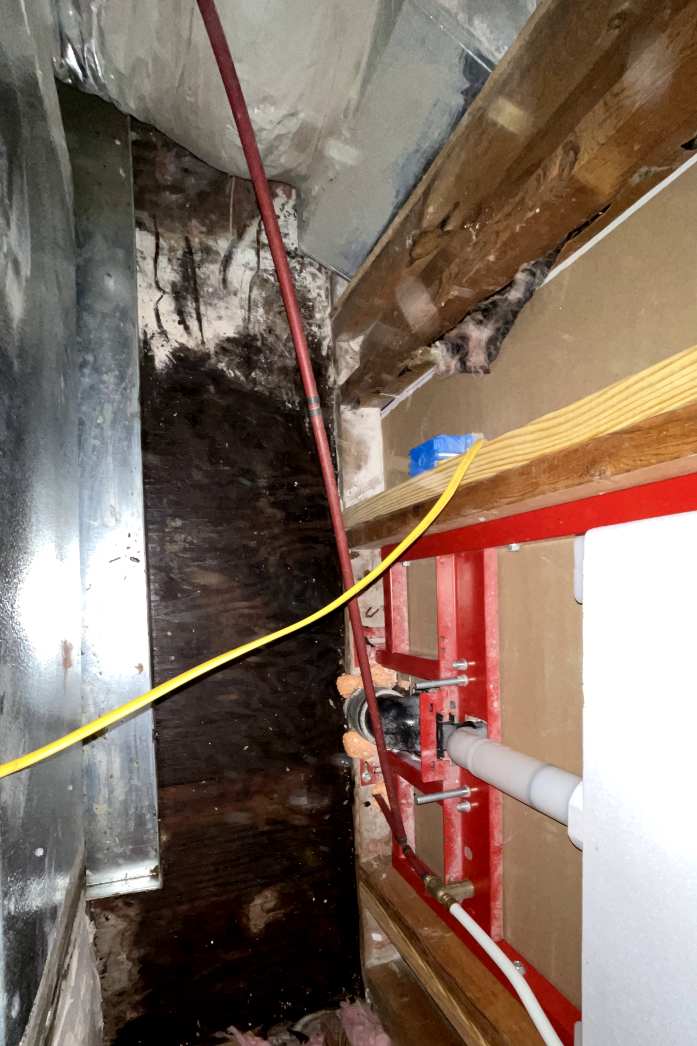
Hidden mold inside walls is one of the most common — and most often missed — indoor air quality issues in Lowcountry homes. Emerald Home Solutions, Charleston, SC.
1 How Mold Ends Up Inside Wall Cavities
Mold needs three things to grow: moisture, an organic surface to feed on, and a temperature range it can tolerate. Inside a Charleston home, all three are available on the wrong side of your drywall on any given day. The question is just how moisture gets behind the wall in the first place.
Plumbing Leaks
Slow leaks from supply lines, drain lines, or fittings inside wall cavities are the most common single cause we see. A pinhole leak behind a kitchen sink, a slow drip from a shower wall fitting, or a corroded hose connection in a laundry wall can release enough moisture over months to grow significant colonies entirely out of sight.
Roof and Window Leaks Tracking Down Studs
Water entering at a roof penetration, around a window frame, or through a siding gap rarely shows up at the point of entry. It runs down the stud bay until it hits something — insulation, a horizontal blocking piece, the bottom plate. Wherever it lands and stays, mold develops.
HVAC Condensation and Duct Sweating
In Charleston’s humidity, supply ducts running through interior walls can produce condensation on their exterior surface. Over years, that creates persistently damp insulation directly inside wall cavities. The same effect happens at refrigerant lines and around poorly sealed wall registers.
Vapor Pressure From Crawl Spaces
Homes with unencapsulated crawl spaces push moisture-laden air upward through the wall framing via stack effect. That humidity condenses on cool wall surfaces, including the inside face of exterior walls. Over time, the cumulative dampness is enough to support hidden mold inside walls even without any active leak.
2 Signs of Hidden Mold Inside Walls You Should Not Ignore
Because the colony itself is invisible, recognizing hidden mold inside walls means paying attention to the indirect signs it produces. None of them on their own is conclusive, but a combination of two or three almost always indicates something worth investigating.
- A persistent musty or earthy smell. Most reliable single indicator. The smell may be stronger in one room or near a particular wall. It does not go away with cleaning or air fresheners because the source is behind the surface.
- Discoloration bleeding through paint. Yellow, brown, or grayish stains that appear without an obvious cause. The shape is often irregular and the color may darken over time even after wiping the surface.
- Drywall that feels soft, bubbled, or warped. Mold growth combined with sustained moisture compromises the integrity of the drywall paper. If you press on a wall and it feels spongy or you see slight surface waviness, something is wrong behind it.
- Cool, damp patches on walls. Run your hand across an interior wall in different spots. If one area feels noticeably cooler or slightly damp compared to the rest, moisture is present in the cavity.
- Allergy or respiratory symptoms that worsen at home. Persistent congestion, sinus headaches, fatigue, or asthma flare-ups that ease when family members leave the house and return when they come back. The CDC notes mold exposure is associated with worsened asthma and respiratory symptoms.
- Peeling, cracking, or bubbling paint or wallpaper. Especially when it appears in a specific location rather than throughout a room. Moisture pushing outward from inside the wall causes these surface failures.
- Visible mold on adjacent surfaces. Baseboards, the underside of windowsills, or the corner where the wall meets the floor. Where you can see mold, more is usually present where you cannot.
Pay Attention To: The combination of a musty smell with any visible surface change — even a small one — is a stronger signal than either sign alone. If both are present, mold behind the drywall is the most likely explanation.
3 Why Charleston Homes Are Especially Vulnerable
A handful of factors make this problem disproportionately common in the Lowcountry. The first and most obvious is humidity. Charleston averages more than 70 percent relative humidity for nine months of the year. Indoor humidity inside wall cavities — which are not actively conditioned — frequently runs even higher.
The second factor is housing stock. Many neighborhoods throughout Charleston, Mount Pleasant, James Island, and West Ashley have homes built decades before modern vapor management practices became standard. Plaster walls, original wood framing, and minimal interior moisture barriers all make these homes more vulnerable to mold development inside wall cavities.
The third factor is event frequency. Charleston homes go through more water intrusion events than homes in dry inland regions — hurricane-related flooding, heavy seasonal rain, tidal events in coastal neighborhoods, and the occasional plumbing failure compounded by humid drying conditions that never quite let materials fully dry out between incidents.
Add proximity to marshland and the cumulative effect of decades of moisture exposure, and you have a region where mold inside wall cavities is not a rare occurrence — it is one of the most common indoor air quality issues we encounter.
| Charleston Risk Factor | Why It Matters | Where It Shows Up Most |
|---|---|---|
| Year-round high humidity | Constant moisture supply for growth | Exterior walls, north-facing rooms |
| Unencapsulated crawl space | Moisture pushed up into wall cavities | First-floor walls, baseboards |
| Older plumbing systems | Slow leaks more likely | Bathroom and kitchen walls |
| Historic construction | Minimal moisture barriers | Plaster walls in older neighborhoods |
| Storm and flood history | Past water intrusion never fully dried | Lower portions of any exterior wall |
4 Why DIY Wall Inspections Almost Always Miss It
The natural homeowner instinct on suspecting mold is to investigate. Knock on the wall, look at the surface in good light, maybe push on the drywall in a few spots. The problem is that none of those things actually answer whether mold is present behind the wall.
Hidden mold inside walls develops in the air gap between the drywall and the exterior sheathing — directly on insulation, on the back of the drywall paper, on the wood studs themselves. None of that is accessible without opening up the wall. By the time mold has bled through the paint to the visible side, the colony has had enough time and material to spread well beyond the original location.
The other DIY mistake is more dangerous: cutting or drilling into a suspected wall without proper containment. Disturbing a hidden mold colony releases massive quantities of spores into the home’s air. What was previously a contained problem behind one wall becomes contamination throughout the living space within minutes. This is why every reputable remediation contractor sets up containment barriers before any wall is opened.
Important: If you have strong reason to suspect mold behind a wall, do not cut, drill, or otherwise open the wall yourself. The single most common reason a small mold issue becomes a whole-home remediation project is uncontained disturbance during an investigation.
5 How Professionals Confirm Hidden Mold Inside Walls
A proper mold investigation does not start with cutting drywall. It starts with non-invasive tools that can identify moisture and likely contamination without disturbing anything.
Moisture Meters
Handheld moisture meters can detect elevated moisture levels inside wall cavities by reading through the drywall surface. Any reading above the normal range for the wall material is a strong indicator that conditions for mold growth are present, and often that growth has already occurred.
Thermal Imaging
Infrared cameras identify temperature differentials caused by moisture inside walls — wet insulation registers cooler than dry insulation, and the patterns reveal where water has entered, traveled, and pooled.
Borescope Inspection
If the non-invasive tools indicate a problem area, a small hole — often only a quarter-inch diameter — allows insertion of a borescope camera that visually inspects the inside of the cavity without major demolition.
Air Sampling
For situations where occupant health symptoms suggest mold exposure even without obvious surface evidence, air sampling can measure mold spore counts and species. Indoor counts significantly higher than the outdoor comparison sample indicate an indoor source.
This stepped approach lets a qualified contractor confirm hidden mold inside walls before any disruptive work begins, so the homeowner has real information to make decisions with rather than a guess.
6 What Removing Hidden Mold Inside Walls Actually Costs
The honest answer for Charleston-area homes is that costs vary widely depending on how far the colony has spread by the time it is discovered. Small, isolated cases caught early are surprisingly affordable. Large, established cases that have been ignored for years can be substantial undertakings.
- Small, single-wall containment ($500–$2,000) — One or two sections of drywall removed, contamination treated, repair completed. Common for early-caught plumbing leaks behind kitchens or bathrooms.
- Moderate spread, one room ($2,000–$5,000) — Multiple wall sections affected, insulation removal, antimicrobial treatment, drywall replacement, and air sampling to verify completion.
- Large infestation, multiple rooms ($5,000–$10,000+) — Significant wall, ceiling, or floor demolition; possible HVAC contamination requiring duct cleaning; comprehensive air quality testing before and after.
- Severe whole-home contamination ($10,000–$30,000+) — Typically following major water events that were not properly dried; involves major reconstruction in addition to remediation.
This is also why the cost of waiting matters. A small colony discovered within a few weeks of the moisture event almost always falls in the lower cost range. The same problem ignored for a year or longer routinely climbs by an order of magnitude.
You can read more about our process, certifications, and approach to honest pricing on our mold remediation in Charleston service page.
7 When to Call a Professional Immediately
Some signs are too significant to wait on. If any of the following are present in your home, a professional inspection should happen within days, not weeks.
- A musty smell paired with any visible surface change on walls or ceilings
- Recurring respiratory or allergy symptoms in family members that improve when away from home
- A recent plumbing leak, roof leak, or flooding event — even if the surface appears dry now
- Visible water stains, especially yellow, brown, or rust-colored discoloration on drywall or plaster
- Drywall that feels soft, spongy, or shows surface waviness when viewed at an angle
- A previous mold remediation that was either incomplete or where symptoms have returned
- A home purchase in process where the inspector flagged moisture readings or possible hidden growth
- The home is older than 30 years and has never had a comprehensive moisture or mold assessment
A qualified professional assessment includes documentation, non-invasive testing, and a clear set of options that does not push services you do not need.
Mold Remediation Across the Lowcountry
Emerald Home Solutions provides professional mold remediation in Charleston and comprehensive inspection services throughout the surrounding Lowcountry communities:
Frequently Asked Questions — Hidden Mold Inside Walls
Common questions from Charleston-area homeowners about identifying, inspecting, and remediating mold behind drywall.
Yes. The CDC documents that mold exposure is associated with respiratory symptoms, asthma flare-ups, and allergic reactions even when the mold itself is not visible. Spores and microbial volatile organic compounds (MVOCs) circulate through the home’s air via gaps in the drywall, electrical penetrations, and HVAC returns. Many families discover hidden mold only after pursuing the cause of unexplained respiratory symptoms.
The honest answer is that you often cannot tell from smell alone. Houses can have musty notes from many sources — old fabric, basements, crawl spaces, or HVAC issues. But a musty smell that persists after thorough cleaning, gets stronger near a specific wall or room, or is most noticeable when the HVAC kicks on is much more likely to indicate hidden mold than general houseair issues. When in doubt, a professional inspection with moisture meters and air sampling will give you a clear answer.
No. Paint, mold-resistant primer, and surface bleach treatments only address what is visible on the surface. Mold growing inside the cavity is on the inside face of the drywall, on insulation, and on framing — none of which a surface treatment reaches. Painting over visible signs without remediating the source typically delays detection while the colony continues to spread. Bleach in particular is ineffective on porous materials like drywall paper and wood.
It depends entirely on the source. Sudden, accidental water damage from a covered event (like a burst pipe) that subsequently led to mold is often partially covered. Mold caused by long-term seepage, humidity, or maintenance issues is typically excluded. Many South Carolina policies cap mold coverage at a specific dollar amount even when it is covered. Document the source carefully and consult your insurer early — coverage decisions are often made within days of the discovery rather than weeks later.
For small, single-wall cases in Charleston homes, the work is typically completed in one to three days including containment setup, removal, treatment, drying, and reconstruction. Larger projects involving multiple rooms or significant structural exposure can take one to two weeks. Air sampling after the work confirms successful remediation before containment is removed and the family resumes normal use of the affected space.
For most jobs, no. Proper containment barriers keep the affected area isolated from the rest of the home during demolition and cleaning. For large-scope projects, projects involving multiple rooms, or homes where a family member has serious respiratory conditions, temporary relocation is sometimes recommended for the most disruptive days. We discuss this honestly during the initial inspection so families can plan accordingly.
Three things matter most. First, address every moisture source promptly — even small plumbing leaks, even a single roof leak. Second, control indoor humidity below 55 percent using HVAC and dehumidifiers, particularly during humid stretches. Third, if you have a crawl space, encapsulate it so moisture is not constantly pushed up into wall cavities from below. Combined with annual visual inspections of bathrooms, kitchens, and exterior wall corners, these steps eliminate the conditions mold needs to develop in the first place.
Worried About What’s Behind Your Walls?
If you have noticed a musty smell, recurring respiratory symptoms, or surface changes that do not have an obvious cause, an inspection is the right next step. Emerald Home Solutions provides honest mold assessments and full remediation throughout Charleston and the Lowcountry — with same-week scheduling available.
📞 Call 843-350-5035 Request a Free Inspection