
Black Marks Around Air Vents: What They Mean for Your Charleston Home
What those gray-to-black streaks around your vents are actually telling you — and when they signal something serious
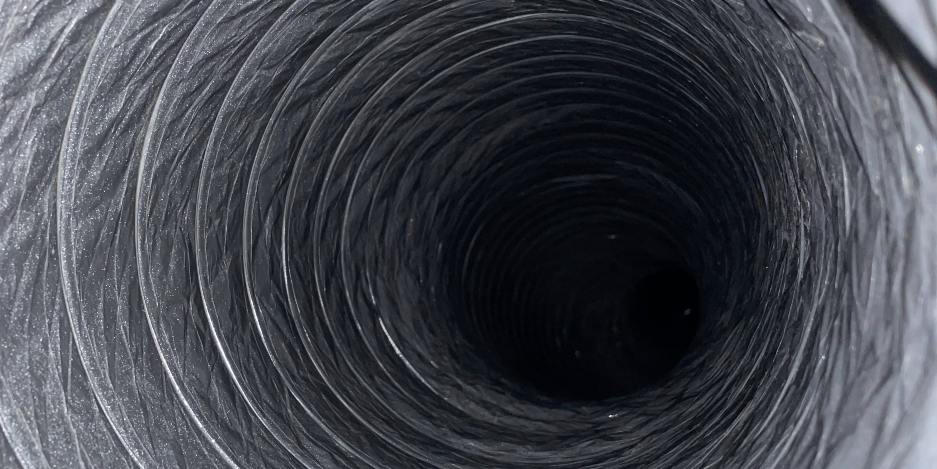
Black marks around air vents are often the first visible sign of a deeper HVAC issue — Emerald Home Solutions, Charleston, SC
1 What Black Marks Around Air Vents Actually Are
The dark streaks you are seeing are not paint flaws and they are not permanent shadows. They are accumulated airborne particulates that have settled onto the wall or ceiling surface in the exact spot where conditioned air meets the warmer surrounding air. The phenomenon has a name in the HVAC industry: ghosting. Particles in the air are drawn to cooler surfaces by static charge and slight temperature differentials, and they cling there. Over months and years, the result is the gray-to-black streaking that fans out around your vent grilles.
What makes vent ghosting specifically a concern — not just a cosmetic issue — is what those particles actually are. Some of it is ordinary household dust. Some of it is pine pollen, which is unavoidable during Charleston’s heavy spring and fall seasons. Some of it is pet dander. And in older Lowcountry homes, or homes with dirty ducts, some of it is microbial — including mold spores being circulated through your HVAC system and depositing on every cool surface they pass.
Catching this early matters. Once those particles bond to porous paint, they get progressively harder to clean off, and they keep accumulating until the underlying source is addressed.
2 The Most Common Cause: Your Filter Is Letting Too Much Through
The single most common cause of black marks around air vents is straightforward: your air filter is not catching enough. Most homes still use basic fiberglass filters rated MERV 1 to 4, which are designed to protect the HVAC equipment itself rather than to improve indoor air quality. They allow a large percentage of fine particles to pass right through.
Those particles — anywhere from 30 to 50 percent of what enters the system — circulate back through your ducts and out of your vents. The smallest of them are the ones that cause vent staining, because they are light enough to follow tiny convection currents and settle on the cool surface immediately surrounding the grille.
In Charleston households, this gets compounded by a handful of local factors. Pets shed dander year-round. Pine pollen arrives in massive quantities each spring. Salt air introduces fine corrosive particulates. And the longer your HVAC runs — which in this climate is most of the year — the more cumulative passes each particle gets through the system.
Quick Fix Test: Pull your filter out right now and look at it. If it is gray, matted, or visibly dusty after less than 30 days, that is a sign you need a higher MERV rating, more frequent replacement, or both. Upgrading to a MERV 8 or MERV 11 pleated filter is often the first meaningful step in addressing vent ghosting.
3 When Black Marks Around Air Vents Signal Mold
Not every set of stains is just dust. In a humid coastal city like Charleston, a portion of what looks like ghosting around your vents can actually be early-stage mold or mildew growth — and that is a different problem entirely.
The visual cues that distinguish mold from dust ghosting are subtle but worth knowing. Dust ghosting tends to be uniform, gray-black, and follows the airflow pattern radiating outward from the vent. Mold growth tends to look slightly fuzzy or textured, often with a greenish or darker brown tint, and it sometimes spreads in irregular patches rather than even streaks. There is also frequently a musty smell when the AC kicks on, even faintly.
If black marks around air vents are paired with a musty odor, or if the staining gets worse during humid stretches and slightly better in drier weather, mold is a real possibility. At that point, wiping the surface or repainting is not a fix. The underlying source needs to be inspected, and that often means looking inside the ductwork itself with a camera.
Charleston Climate Note: Lowcountry homes in West Ashley, James Island, and Johns Island — where older construction and persistent humidity overlap — are especially prone to microbial growth inside ductwork. If staining is paired with any musty odor, schedule a professional mold inspection alongside the air duct cleaning.
| What You See | Likely Cause | What To Do |
|---|---|---|
| Even gray streaks fanning out from vent | Dust ghosting / filter bypass | Upgrade filter, schedule duct cleaning |
| Fuzzy or textured dark patches | Mold or mildew growth | Professional mold inspection + duct cleaning |
| Yellow-brown waxy buildup | Candle, fireplace, or cooking soot | Reduce indoor combustion sources, clean ducts |
| Staining only on some vents | Localized leak or insulation issue | Inspect the affected duct run specifically |
| Staining that returns within weeks | Active source still uncontrolled | Full duct inspection with camera scope |
4 Why Charleston’s Climate Makes This Worse
Lowcountry homes carry a specific disadvantage when it comes to vent staining. Summer humidity here regularly sits above 70 percent for weeks at a time, and even with the AC running, indoor relative humidity often stays in the 50 to 60 percent range. That moisture in the air does two things at once. It makes particles slightly sticky, so they adhere more aggressively to surfaces. And it creates condensation in places where conditioned air meets unconditioned space — including the painted area immediately around your vents.
That combination is the reason homes in inland states with the same HVAC setup and the same filters do not develop visible vent ghosting at nearly the same rate as Charleston homes. It is also why a one-time wall cleaning rarely solves the problem here. The conditions that produced the marks are still in place, so the marks come back.
5 Other Causes Worth Ruling Out
Not every case of staining around vents is the HVAC system’s fault. A few other contributors are worth ruling out before assuming you need duct work.
Indoor Combustion Sources
Candles, especially scented and paraffin-based ones, release fine soot into indoor air that gets pulled into your HVAC return and circulated throughout the home. The same is true of wood-burning fireplaces, gas stoves used heavily for cooking, and indoor smoking. Households that burn candles daily often show pronounced vent ghosting within a year, even with good filtration in place.
Leaks in the Return-Side Ductwork
A more structural cause worth checking is whether your return ducts are properly sealed. If a return is pulling air from a dirty attic or unencapsulated crawl space — common in older Charleston homes where retrofits were not done carefully — the system is essentially circulating attic and crawlspace dust through every room in the house. Black marks around air vents in that scenario are often a symptom of an air leak somewhere in the return-side ductwork, not a failure of the supply side at all.
6 When to Call a Professional
Most homeowners can identify whether the staining is light, surface-level dust or something more serious by looking carefully and noting whether it returns after a thorough cleaning. There are a few situations, though, where calling a professional is the right move regardless.
- The staining returns within weeks of cleaning the wall — surface work alone is not addressing the source
- There is a musty smell paired with the marks — mold is in play
- Anyone in the home has unexplained respiratory symptoms, fatigue, or allergy flare-ups that ease when away from the house
- You have never had a professional inspection of your ductwork, or it has been more than five years
- The home recently went through renovation, flooding, or any kind of significant water intrusion event
- You are seeing similar staining at multiple vents throughout the home, not just one isolated spot
A qualified contractor will inspect the interior of the ducts with a camera, identify any moisture, mold, or significant debris, and walk you through what is actually needed. You can read about our process and credentials on our air duct cleaning in Charleston service page.
7 How to Stop Black Marks Around Air Vents From Coming Back
Once the underlying issue is addressed, keeping vent ghosting from returning is generally straightforward. A handful of small habits make a measurable difference over time.
- Filter discipline. Replace it on a real schedule — every 30 days for fiberglass, every 60 to 90 days for higher-MERV pleated filters — not whenever you happen to remember
- Humidity control. Keep indoor humidity below 55 percent year-round, using your AC’s natural dehumidification in summer and a standalone unit during shoulder seasons
- Reduce indoor particulate sources. Burn fewer candles, use the range hood every time you cook, and never smoke indoors
- Professional duct inspection every 3 to 5 years. Per NADCA guidance — and sooner if the home has pets, allergies, or recent renovation work
- Address the bigger system. Encapsulated crawl spaces, sealed attic returns, and a clean HVAC system all reduce the particle load your filter has to deal with in the first place
Pro Tip: If you clean the staining and it returns within a season, that is the system telling you the source is still active. A camera inspection of the ductwork is the only way to confirm what is going on inside, and it usually pays for itself by showing exactly where the buildup is concentrated.
Recommended Cleaning Interval for Charleston Homes
The National Air Duct Cleaners Association (NADCA) recommends professional air duct cleaning every 3 to 5 years for most homes. In the Charleston area, that window often closes faster due to climate and pollen exposure. Homes with pets, allergy sufferers, or any prior moisture event frequently benefit from cleaning every 2 to 3 years.
If you are seeing recurring stains and cannot remember the last time the system was professionally cleaned, that is your answer. The visible staining is downstream of buildup inside the system. A thorough cleaning removes the source, and addressing the contributing factors above keeps it from returning.
Air Duct Cleaning Across the Lowcountry
Emerald Home Solutions provides professional air duct cleaning in Charleston and surrounding communities throughout the greater Lowcountry region:
Frequently Asked Questions — Black Marks Around Air Vents
Common questions from Charleston-area homeowners about vent staining, what causes it, and when professional cleaning is needed.
In most cases, yes — light dust ghosting can usually be wiped off with a damp microfiber cloth and a mild cleaner like dish soap diluted in warm water. Older or heavier staining that has bonded into porous paint may require a Magic Eraser or a light touch-up of paint. The more important point is that wiping the surface only addresses the symptom. If the source inside your ductwork is not addressed, the staining will return.
In themselves, no — they are cosmetic. What they sometimes indicate, however, can be a real concern. If the marks are caused by mold spores being circulated through the HVAC system, that is a real indoor air quality issue, especially for family members with allergies, asthma, or weakened immune systems. If the marks are simply dust ghosting from a low-grade filter, the staining itself is harmless but you are still breathing those same particles every day. Either way, addressing the source improves the air your family breathes.
A better filter helps, but it rarely fixes the problem on its own if the ducts already have years of accumulated buildup inside them. Think of it this way: a high-MERV filter catches new particles entering the system, but it does nothing about the dust, debris, and microbial material already coating the inside of your ductwork. For homes with significant ghosting, the right sequence is professional duct cleaning first, followed by a filter upgrade and consistent replacement schedule.
The clearest indicator is smell. Dust does not have an odor. Mold and mildew produce a distinct musty smell that is often most noticeable in the first few seconds after the AC turns on. Visually, mold tends to be fuzzy or textured rather than smooth, and it sometimes carries greenish, brownish, or black tints in irregular patterns rather than even streaks. If you suspect mold, do not try to clean it yourself with bleach — that disturbs the spores and can make the indoor air worse. A professional mold inspection is the right next step.
Professional air duct cleaning in the Charleston area typically ranges from $300 to $700 for a standard residential home, depending on system size, number of vents, level of buildup, and whether mold remediation or additional treatments are required. Homes with larger systems, multiple HVAC units, or significant contamination will fall toward the higher end. For a site-specific estimate, contact Emerald Home Solutions at 843-350-5035.
It depends entirely on whether the underlying source has been addressed. If you only wipe the wall, light dust ghosting often returns within three to six months in a Charleston home. If the ducts have been professionally cleaned, the filter upgraded, humidity controlled, and indoor particulate sources reduced, properly maintained homes can go several years without visible ghosting returning. Return timing is one of the best diagnostic clues — if marks come back in weeks, something significant is still feeding the system.
Older homes in Charleston, particularly those built before modern duct sealing standards, are statistically more prone to vent ghosting and to harboring mold inside ductwork. Original ductwork in homes 30+ years old often has accumulated decades of debris that no filter upgrade alone will remove. If you live in an older Lowcountry home and have never had the ducts professionally inspected, the marks on your walls are very likely just the visible portion of a much larger story inside the system. A camera inspection clarifies it quickly.
Tired of Wiping Your Walls Every Few Months?
If those stains around your vents keep coming back, the answer is inside the ductwork. Emerald Home Solutions provides NADCA-certified inspections and air duct cleaning throughout Charleston and the Lowcountry — with same-week scheduling available.
📞 Call 843-350-5035 Request a Free Estimate