
The Hidden Reason Your Energy Bill Spiked This Summer
What most Charleston homeowners don’t think to check — and what it’s costing them every month
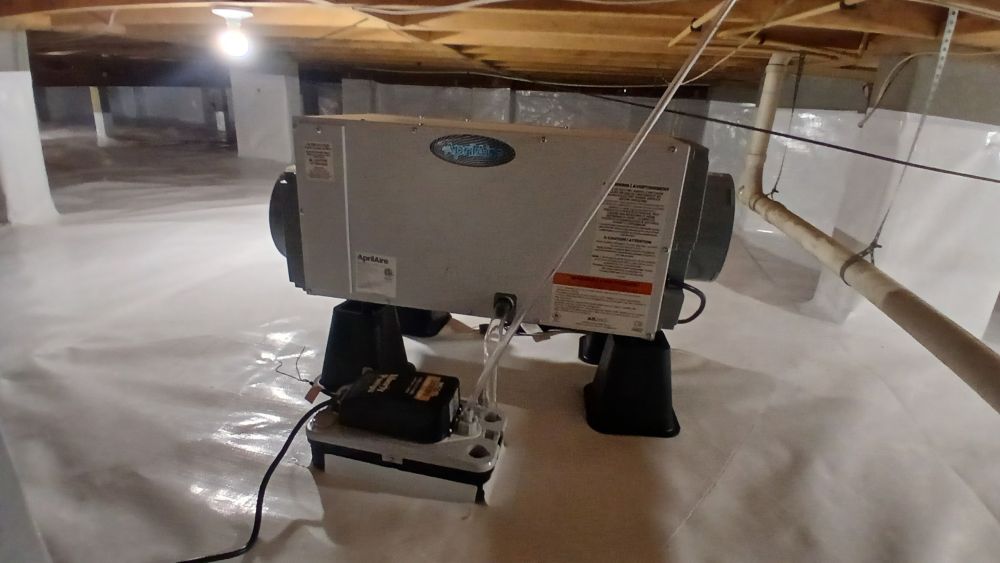
If you’re wondering why is my energy bill so high this summer, it’s very likely due to your crawl space in Charleston. Emerald Home Solutions, Charleston, SC.
1 What Charleston Homeowners Try First When They Ask Why Is My Energy Bill So High?
The typical homeowner will check a few different items in their home to try and determine the cause of such a high summer energy bill.
It Must Be My Air Conditioner
This is usually the first place people check. Is it possible the air conditioner is causing the high energy consumption in the home? It could be. However, if the air conditioner is relatively new and the rest of the home is comfortable, it’s unlikely this is the source of your high energy bill.
Maybe It’s My Attic Insulation
Many people will check their attic insulation as the second place to look for high energy bills. As mentioned above, if your attic insulation is not up to par, that may be the cause of your high energy bill. However, many Charleston homes have good attic insulation yet still have high energy bills in the summer.
Did the Kids Leave the Doors Open?
Yes, it’s possible that the door was left open. However, it would take a few hours of leaving the door open for it to cause such a high energy bill.
Did the Power Company Make a Mistake on the Energy Bill?
It’s possible. While it’s unlikely, it’s always good to verify that the power company accurately read the meter for the home. If they did, then it’s clear that there is some issue in the home that is causing the high energy bills.
2 The Hidden Cause: Why Is the Crawl Space Under My Home Creating High Energy Bills?
Once people have ruled out the other potential causes of high energy bills in their home, the actual cause most likely lies beneath their home in the often-overlooked crawl space under the house in Charleston.
The “Stack Effect” Pulls the Air from the Crawl Space Into the Home
The crawl space in Charleston is typically humid. The warm air that is released from the home is often replaced by air that pulls from the crawl space. Between 25 and 30 percent of the air that comes into the home from the crawl space under the house can contribute to the energy bills associated with the home.
The Air Conditioner Has to Work Harder to Balance the Humidity from the Crawl Space
Your air conditioning system not only has to cool the air in your home in the summer months, but it also has to remove the moisture from the air that comes into the home from the crawl space. Removing moisture is an energy-intensive process. As a result, the air conditioner is forced to work harder to balance the humidity in the home, leading to higher energy bills.
The Insulation in the Floor Joists Is No Longer Providing Insulating Value Due to Moisture
Many Charleston homes have insulation installed in the floor joists in the basement to provide insulation to the floors of the home. That insulation is often getting wet from the humidity in the crawl space, and it’s losing its insulating value year after year. It may even be on the floor of the crawl space rather than in the joists. That means that the conditioned floors of the home are losing heat during the winter and gaining heat during the summer, forcing the HVAC system to work to compensate for the change in temperature in those areas.
All of the HVAC Components in the Crawl Space Are Forced to Run in Less Efficient Manners
All of the components of the HVAC system that are located in the crawl space are forced to work harder than they should to maintain the proper temperatures of the home. Furthermore, the ducts that distribute the conditioned air from the HVAC system may also be losing energy to the crawl space due to the humidity. This also means that the HVAC system must work harder to distribute the same amount of conditioned air to the rooms of the home.
3 Why Charleston Crawl Spaces Cost More Energy Than Other Areas of the Country
There are a few specific factors that go into why crawl spaces in Charleston cost more energy than other parts of the nation.
It Has to Do With Humidity
The average humidity in Charleston is over 70% throughout the year. Much of the humidity in the home is drawn from the crawl space. Furthermore, the humidity that must be removed from the air by the air conditioner is directly related to the cost of the energy bills for that home.
Much of the Housing Stock in Charleston Features Crawl Spaces
Much of the housing stock built in Charleston over the years have crawl spaces that were vented decades ago to allow moisture to escape from under the houses. However, in the humid climate that Charleston features, the crawl spaces tend to pick up moisture from the outside air instead of losing moisture to the outside air. This is the reason that the crawl spaces in Charleston have high humidity levels.
Air Conditioning in Charleston Runs Longer Due to the Humidity in the Crawl Space
Due to the humidity in the crawl space and the heat of the area, the air conditioning in the home in Charleston has to cycle on for nine months out of the year. In a location like Pittsburgh, where the humidity in the crawl space would be much lower, the air conditioning would only have to cycle on for three months a year.
| Crawl Space Condition | Effect on Energy Bill | Typical Charleston Home |
|---|---|---|
| Vented and unsealed | 15–20% higher cooling costs | Most homes built before 2010 |
| Standing water or damp floor | Up to 25% higher costs plus mold risk | Common after heavy rain seasons |
| Sagging fiberglass insulation | Floors lose insulating value entirely | Any home with 10+ year old batts |
| Ducts running through crawl space | 20–30% air loss to leaks/temperature | Very common in older construction |
| Encapsulated and sealed | Significant ongoing energy savings | Best-in-class energy performance |
4 How to Determine If Your Crawl Space Is Creating High Energy Bills
There are a few specific signs in your home that indicate that the cause of your high energy bills is likely coming from the crawl space.
The floors in the home are either cold in the summer or cold in the winter. If any areas of the home have floors that are noticeably colder (summer) or warmer (winter) than others in your home, you’re likely losing conditioned air to the crawl space.
The air in your home feels humid even when the air conditioner is running. If you feel humidity in your home despite the air conditioner running, the air conditioner is removing humidity from the air in your home from the crawl space.
There is a musty smell in the home. If there is a musty smell emanating from some areas of the home, it’s likely the result of the crawl space under your home. Humid crawl space air can contain odors that are distributed throughout the home by the air that enters from the crawl space.
The energy bill has been slowly increasing over time. If, over time, your energy bills have been slowly increasing as a result of the crawl space losing its insulation value, the humidity in the air that comes into the home, and the HVAC system working harder to compensate for these issues, then the crawl space under your home is the cause of your high energy bills.
5 What Crawlspace Encapsulation Does
Since the crawl space under your home may be the cause of high energy bills in the summertime, encapsulation is the answer to fixing the energy bill issue in the long term.
A Vapor Barrier Is Placed in the Crawl Space
A heavy-duty vapor barrier is placed on the floor and the walls of the crawl space to keep moisture out of the space entirely. The barrier is typically between 12 and 20 mil in thickness.
All Vents in the Foundation Are Sealed
All vents that were released outside the foundation are sealed. This means air cannot escape out of the crawl space, which will help to reduce the amount of humidity in the space. Furthermore, all HVAC system vents are sealed as well.
Insulation Is Placed on the Walls of the Crawl Space
Rather than adding insulation to the floor joists in the foundation, it’s more effective to add rigid insulation board to the walls of the crawl space to ensure it maintains the proper indoor temperatures in the home.
A Dehumidifier Is Installed in the Crawl Space
Even with all the sealing that occurs in the crawl space, there will still be some humidity in the space over time. A dehumidifier that is sized appropriately for the crawl space will ensure that the humidity levels in the crawl space remain between 50 and 55% annually.
The Access Point Into the Crawl Space Is Sealed
The door into the crawl space is sealed and insulated to ensure that the encapsulation process is effective.
The Ductwork That Runs Through the Crawl Space Is Also Sealed and Insulated
Any ductwork that runs through the crawl space is another place in which humidity can escape into the crawl space. Sealing the ducts as part of the encapsulation process ensures that the HVAC system does not have to work as hard to heat or cool the home.
A Documentation of the Changes Made to the Crawl Space
An honest inspection and documentation of the changes that will be made to the space under the home in Charleston. This should be completed by a quality contractor.
For more information on the encapsulation process of the crawl spaces in Charleston, visit our crawlspace encapsulation in Charleston service page.
6 Other Hidden Causes to Rule Out
While crawl space issues are the most common hidden cause of high energy bills, there are others to rule out before assuming that the HVAC system itself is at fault for the soaring energy bills.
Leaky or Disconnected Ductwork
Another common cause of high energy bills lies in the ductwork of the HVAC system. The average home loses 20 to 30 percent of its conditioned air through leaks in its ductwork, typically located in the attic or within the crawl space. If the ductwork is disconnected from the HVAC system, the air will escape into the attic and will fail to lower the energy bills of the household.
Compromised Attic Insulation
Another possible cause of rising energy bills is poor attic insulation. Rodents or water damage over the years can reduce the effectiveness of insulation in attics made with fiberglass insulation of the past. If the attic is too hot or too cold with insufficient insulation, the HVAC system will have to work harder to maintain the desired indoor temperature of the home.
Failing HVAC Components
Over time, HVAC components like the refrigerant leak, evaporator and condenser coils may get dirty, and components like capacitors and compressors may fail. These components result in the HVAC system working longer to achieve the same level of cooling as a new or well-maintained HVAC system.
Window and Door Air Leakage
Older homes have single-pane windows and worn weatherstripping around doors and windows that allow conditioned air to escape the home as well as allow humid air from outside to enter the indoor environment of the home.
7 When to Get a Professional Assessment
Certain signs indicate that the homeowner should get a professional assessment of the condition of the crawl space.
- If energy bills have climbed 20 percent or more over the past year or two
- If the home feels humid even when the AC is on
- If the floors are cold to the bare feet of the inhabitants of the home
- If the home has a musty smell coming from the crawl space
- If the crawl space contains standing water or moisture stains on the walls
- If the fiberglass insulation commonly used in crawl spaces is hanging from the walls or the joists of the floorboards
- If the inhabitants of the home experience allergy symptoms
- If the crawl space has never been inspected by a professional
A professional will perform an inspection of the crawl space to assess the level of moisture, humidity, the condition of the vapor barrier, the ductwork, the insulation, and provide an explanation of how each contributes to the energy bills of the homeowners. You should not be pitched encapsulation if a professional assessment shows that it will not apply to the crawl space.
Crawlspace Encapsulation Across the Lowcountry
Emerald Home Solutions provides professional crawlspace encapsulation in Charleston and energy-efficiency services throughout the surrounding Lowcountry communities:
Frequently Asked Questions — Hidden Energy Bill Spikes in Charleston
Commonly asked questions from residents of Charleston regarding the energy bill spikes and encapsulation of the crawl space.
The most common cause of high energy bills in Charleston homes is that the crawl space has not been encapsulated. The humid air in the region of Charleston naturally moves into the homes through the crawl spaces. The air conditioning system must work to remove the moisture in the air from the home that it does not need to deal with. Over time, this creates the high energy bills for the homeowners. Other causes include the HVAC system components failing, leaky ductwork, and the insulation in the attic compromising.
Encapsulation saves homeowners around 15 to 20 percent on cooling costs, which can save them several hundred dollars each year. The Department of Energy also shares that encapsulation can save homeowners up to 50 percent on cooling costs if performed in homes in humid climates like Charleston. The savings in energy will be greater in homes with worse conditions in the crawl spaces than in other homes in the Carolinas.
Yes, according to building science documentation. Air naturally moves from warmer areas to cooler areas. The air in the home exits the top of the home and pulls air from other parts of the home to replace the air that is escaping. In the majority of homes, the crawl space is the path of least resistance for the air to enter the home. The vents on crawl spaces are designed to allow for air to move in and out of the space.
Encapsulation of the crawl space costs between $5,000 and $15,000 for a typical home in Charleston. The price will depend on the size of the crawl space, how accessible the area is for professionals, the quality of the insulation in the crawl space, whether mold needs to be removed in the crawl space before encapsulation, and the type of encapsulation materials selected for the treatment.
Encapsulation will fix the energy bills created by the humid air in the crawl space. However, if other issues exist with the HVAC system, the ductwork, or the attic insulation, the encapsulation will not fix those problems.
Yes, it is worth it for an older home in Charleston. Older homes tend to lose more energy due to poor insulation. Additionally, the crawl spaces in those homes are in worse conditions than in newer homes. The historic areas of Charleston and Mount Pleasant are among the areas with the greatest improvement in efficiency through encapsulation of the crawl space.
A properly installed encapsulation system should last 20 to 25 years. The materials in the encapsulation system do not degrade over time. Additionally, the dehumidifier used in the encapsulation system may need to be replaced after 10 to 15 years of use. Otherwise, the system will last as long as the homeowners in the area.
Stop Paying for Air Your AC Shouldn’t Be Cooling.
If you have ruled out the common causes of high energy bills and your bills continue to soar, the issue likely involves your crawl space. Emerald Home Solutions offers professional assessments and encapsulation of crawl spaces throughout Charleston and the Lowcountry.
📞 Call 843-350-5035 Request a Free Inspection