
Just Bought a Home in Charleston? Here’s What’s Probably in the Ducts
What new Charleston homeowners discover when they actually look — and why it’s worth checking early
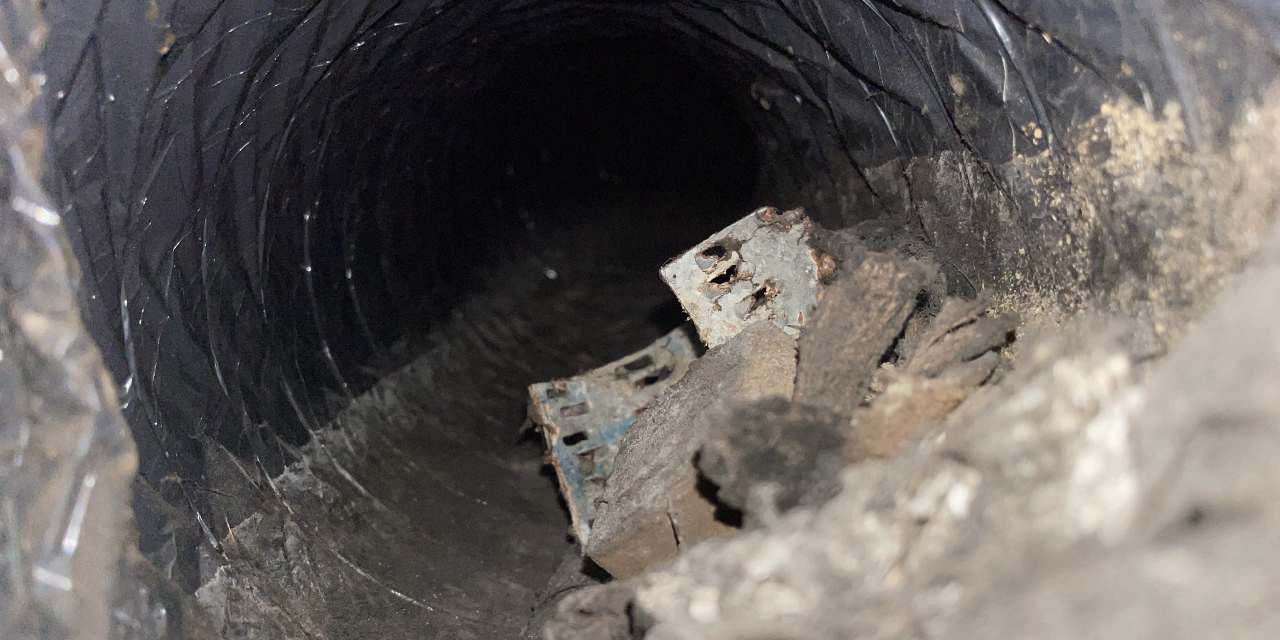
What’s in your air ducts after buying a Charleston home is almost always more than you expect from a typical real estate inspection. Emerald Home Solutions, Charleston, SC.
1 Why It’s Worth Knowing What’s in Your Air Ducts After Closing
While real estate inspectors will search your property for all the typical home systems, they almost never check the air duct systems. Whatever the previous owners did or didn’t do for their home’s air quality is still in the ducts after they leave — and your HVAC system will disperse that indoor air into every corner of the home.
You Inherited Everything the Previous Owners Generated
The contents of your HVAC duct systems likely include pet dander, cigarette smoke, cooking smells, dust mites, pollen from the windows left open all year long, and construction sites from the work they completed on the residence.
The Seller Almost Certainly Didn’t Have It Cleaned
We ask nearly every seller in the Charleston area if they had their duct systems professionally cleaned before they placed the home for sale. In nearly 100% of cases, the answer is no. Most real estate sellers do not think about duct system maintenance — the realtor does not ask, and the home inspector does not require it. Your HVAC system has not been professionally cleaned in as many years as you may think.
It’s the Easiest Major Reset You Can Do for Your Home
Replacing your rugs, painting your home, or deep cleaning the kitchen are all things that can be done after you purchase the home. Duct system cleaning is one of the easiest system resets to do one time prior to living in the home for years.
2 What’s Actually in Your Air Ducts in a Typical Charleston Home
Routine Dust and Debris
Due to the average amount of dust produced by a home each year, it’s likely that much of the duct systems’ capacity was utilized to draw that household dust into its system each year. Additionally, many of the older homes that we have inspected have seen decades of that build-up within the duct runs.
Pet Dander (Even If You’re Not a Pet Person)
It’s surprising how many homeowners are unaware that the previous owners of their homes had at least one cat or dog — and how much dander accumulated into the HVAC duct system. Such materials are slightly conductive to the metal of the duct systems — and remain within the system even after the pets pass through the residence.
Cigarette Smoke Residue
If there was smoke in the residence during the ownership of the previous owner — even if only for a few puffs here and there during the years — that smoke residue has remained in the HVAC system.
Construction Dust from Past Renovations
It’s likely that your home has been remodeled during the ownership of the previous homeowners. Any construction dust would have entered the HVAC system while it was performed at the residence.
Mold Spores (Charleston Specialty)
Due to the humidity levels year-round in Charleston’s climate, it’s likely that your duct system has developed mold — a special concern for Charleston real estate agents and home inspectors. Mold typically forms at the cooling coils and any condensation within the HVAC system over the years.
Worth Knowing: If your home was built before 1980, and if any of the duct systems still use the original wrap to insulate the ducts, it’s possible that your duct systems do contain asbestos. Asbestos is hazardous to health if disturbed or inhaled, so a professional inspection will reveal whether there’s any asbestos in your system. Older homes in Charleston need this inspection more often.
3 Why Charleston Homes Specifically Produce Surprising Results
Climate
Due to nine months of cooling weather each year in Charleston, the HVAC system is regularly in operation for longer periods of time — creating the potential for more accumulation of contents within the HVAC systems over time.
Humidity
Because of the high humidity levels in Charleston for much of the year, the particles of the substances within the air become slightly sticky — adhering to the walls of the HVAC system rather than being expelled from the home. This contributes to the formation of the accumulation of substances noted above.
Housing Stock
Many of the homes in the area have been standing for decades — and with the HVAC systems in those homes never having been opened or touched, the HVAC system has been accumulating substances from each home’s occupants over the years.
Storm History
It’s true that most of Charleston’s homes have taken their share of hurricanes or tropical storms over the years. These storms may have caused significant damage to the homes that was not noted during property inspections. For instance, a storm that lifted the shingles on a home may have also disconnected one of the home’s HVAC duct systems. This would be something you’d inherit from the house when you purchased it.
| Home Type | What’s Typically in the Ducts | Percentage of Homes Recently Cleaned |
|---|---|---|
| New construction (less than 5 years) | Construction dust, debris from the builder | Possible but uncommon |
| Recent build (5–15 years) | Pet dander, normal dust, maybe one HVAC cleaning | Roughly 1 in 5 |
| Established home (15–40 years) | Years of dust and dander, renovation dust, smoke residue | Less than 1 in 10 |
| Historic home (40+ years) | Pet dander, decades of dust and dander, potential for asbestos | Almost never |
| Home with pet history | Heavy dander accumulation | Roughly 1 in 10 |
4 What a Camera Inspection Can Tell You About Your Home
In order to actually discover what’s inside the air ducting systems of your new purchase, you’re going to have to look — and that’s what a duct camera inspection does. Such an inspection can take up to an hour to perform and will cost you nothing extra if you’re purchasing your home’s HVAC system and duct cleaning service from a company like Emerald Home Solutions.
The duct camera will show you the inside of the supply and return duct systems — any connection points — and any structural damage within them. The footage often reveals years of build-up inside the ducts. The same inspection will show you if there is a disconnected flex duct in the attic, if any sections of the duct system have been crushed by stored boxes in the past, how the original ducting has failed over time, or if the insulation inside the ducting has collapsed over time.
5 What to Do in Your First 60 Days as a New Home Buyer
In order to discover what’s inside your air ducting system and to fix it in the initial days after you purchase the home, you can do the following:
- Replace the existing air filter in your HVAC system right away. The filter in your system likely belongs to the previous homeowner — so make sure you replace it on day one.
- Schedule a duct camera inspection during your first 30 days as a homeowner. This will allow you to see the condition of your ducting systems before you choose whether or not to have them professionally cleaned.
- Have your air ducting system professionally cleaned in your first 60 days. By seeing what build-up is inside your ducting system, a professional can clean it with negative pressure to remove as much of the residue as possible.
- Have the evaporator coil and the blower compartment of your HVAC system professionally cleaned, too. These components sit directly inside your HVAC unit and can accumulate particles that your air filter does not catch.
- Inspect the connections of the ducting systems in your attic. Any damage or disconnects here can be fixed at the same time as you have your ducting system professionally cleaned.
- Set a calendar reminder for every 3 years. According to the National Air Duct Association (NADCA), residential HVAC systems should be professionally cleaned every 3 to 5 years. Due to the humidity in Charleston, that period may be shorter. By setting a calendar reminder to schedule a professional ducting system inspection every 3 years, you can avoid having your duct system become an ongoing health and maintenance problem.
- Document the state of your ducting system after it gets professionally cleaned. Having before-and-after pictures will show the improvement to your air system — and the next home buyer will appreciate your maintenance of the property.
You can read more about the air ducting system inspection and cleaning process on our air duct cleaning in Charleston service page.
6 Common Mistakes New Homeowners Make With Their HVAC Systems
Some of the mistakes that new homeowners make with HVAC systems that we see over and over are the following:
Assuming That the Previous Owners of the Home Took Care of the Ducting System
It’s natural for a home buyer to assume that if the home was well-maintained, maintained by the previous homeowners, and passed inspections, that there was little need for HVAC system maintenance. However, one of the most common oversights by homeowners is HVAC maintenance. Therefore, unless you confirm that their HVAC system was professionally cleaned before you purchased the home, it’s likely that one of the systems you inherited from the previous homeowners had decades of debris and build-up into its ducting systems.
Tucking the Home Inspection Report Away
The standard home inspection is excellent at what it does. However, it does not include an inspection of the interiors of the air ducts. Inspectors are limited in what they can test within the HVAC system. Most will check the registers, the HVAC unit, and that’s about it.
Waiting Until There’s a Problem to Solve
The signs of dirty air ducts can take months to develop. By the time you see the signs, you’ve been breathing dirty air for a while. Doing the duct cleaning in your first 60 days post purchase will save you from having to deal with this.
Skipping the Inspection
Some contractors will quote you a price for duct cleaning without ever looking inside of the HVAC system. Others will tell you that the camera inspection will be an additional charge. However, taking a few minutes to look inside the system with a professional camera before doing the duct cleaning will give you an idea of whether or not the duct cleaning is the right solution to the HVAC system.
7 When to Schedule the Duct Cleaning
The first 60 days after you purchase your new home is the best time to have your air ducts professionally cleaned. After the initial move in and after you’ve settled into your new home, it can be easy to forget about air duct cleaning. There are, however, several situations that will greatly benefit from having your air ducts professionally cleaned as soon as possible after your purchase.
- If the previous homeowners had pets that you do not own at home or if someone in your household has pet allergies.
- If the previous homeowners smoked in the home at all during their occupancy of the property.
- If your home is over 20 years old and there is no documentation of having had the air ducts professionally cleaned in the past.
- If you have started to smell odd smells from your HVAC system or if you experience allergy symptoms from the home.
- If there is discoloration, dust, or staining on the supply vents located around your home.
- If the home you just purchased was a rental property prior to your purchase of the property.
- If the previous owners completed a renovation of the home in the last year or two prior to their sale of the property.
- If you have any individuals in your household that have asthma.
By taking the time to professionally clean your air ducts in the first 60 days after your purchase of your Charleston home, you can have peace of mind about the indoor air quality that you and your family breathe from day one. Most Charleston homebuyers who had their air ducts professionally cleaned in their first 60 days of ownership are glad that they did. The reverse is true for those who did not take the step to have their ducts professionally cleaned.
Air Duct Cleaning for New Homeowners Across the Lowcountry
Emerald Home Solutions provides professional air duct cleaning in Charleston and post-purchase HVAC inspections throughout the surrounding Lowcountry communities:
Frequently Asked Questions — New Homeowner Air Duct Cleaning
Common questions that come from new homeowners in the Charleston area about air duct cleaning, what’s inside the HVAC system, and when to get it done.
For most homes, the answer is yes. The best time to schedule a professional duct cleaning for most new homeowners in Charleston will be within the first 60 days after they purchase their home. Most homes do not have their air ducts professionally cleaned during the home sale process by the previous homeowners. Thus, regardless of how well they maintained their home, there can be issues within the air ducts that can be resolved with a one-time professional cleaning.
The best way to determine what’s in your air ducts is to have the system professionally inspected with an in-home camera inspection. Most contractors will include this inspection when they perform their HVAC system inspection or will charge a small additional amount for it. This will allow you to see inside the system and make an informed decision about whether or not professional duct cleaning is needed in your home.
The answer is no. A home inspection will examine the HVAC system to ensure it is in good working order. However, the inspection will not include the inspection of the interiors of the air ducts with a camera or perform any type of duct cleaning. Most home buyers are unaware of this until they ask the contractor about it.
Professional residential air duct cleaning ranges from $300 to $700 in the Charleston area. The cost will be higher if the home is much larger or if there is mold inside the ducts that must be treated. We will conduct an in-person assessment of your HVAC system so that we can give you an accurate price estimate for the duct cleaning.
Even if they didn’t own pets or smoke in the house, the home could still have dirty air ducts. Most older homes have years of pet dander, dust, and mold buildup. In newer homes, there could be construction dust when the home was built or dirt and dust that has accumulated over the years.
The National Air Duct Cleaners Association (NADCA) recommends that residential air ducts be professionally cleaned every 3 to 5 years. In Charleston’s hot and humid climate, however, the recommendation is every 3 years. If your home has pets, individuals with allergies, or if there is any history of moisture-related issues in the home, the recommendation will be every 3 years. Setting a calendar reminder in your home’s calendar for your first professional duct cleaning will ensure that you will not have to remember to schedule the appointment for your home again.
Yes. There are several warning signs. These include visible dust on the surfaces in your home within a few days of professional duct cleaning. Allergy symptoms in your home that began after you moved into your new home. A musty smell when you first turn on your AC. Discoloration on the supply vents in your home. Issues with the cooling in certain areas of your home. Any of these issues indicate that your air ducts need to be professionally cleaned.
Find Out What You Just Inherited.
If you just purchased a home in Charleston, giving your HVAC system and air ducts a professional inspection and cleaning within the first 60 days of moving in will give you peace of mind about the air quality in your new home. Emerald Home Solutions provides professional and certified NADCA air duct cleaning throughout Charleston and the Lowcountry real estate areas.
📞 Call 843-350-5035 Request a Free Inspection